6 Pet Behaviors That Make More Sense Than Owners Realize
Your pet does weird stuff. You know it. They know it. The whole time you’re watching them, you’re trying to decode what’s happening in that furry little head. Most pet behaviors aren’t random—they’re communication. They’re survival instincts. They’re biology working exactly as designed. Here are six behaviors that probably seem pointless until you understand what’s actually going on.
Tail Wagging Doesn’t Always Mean Happy
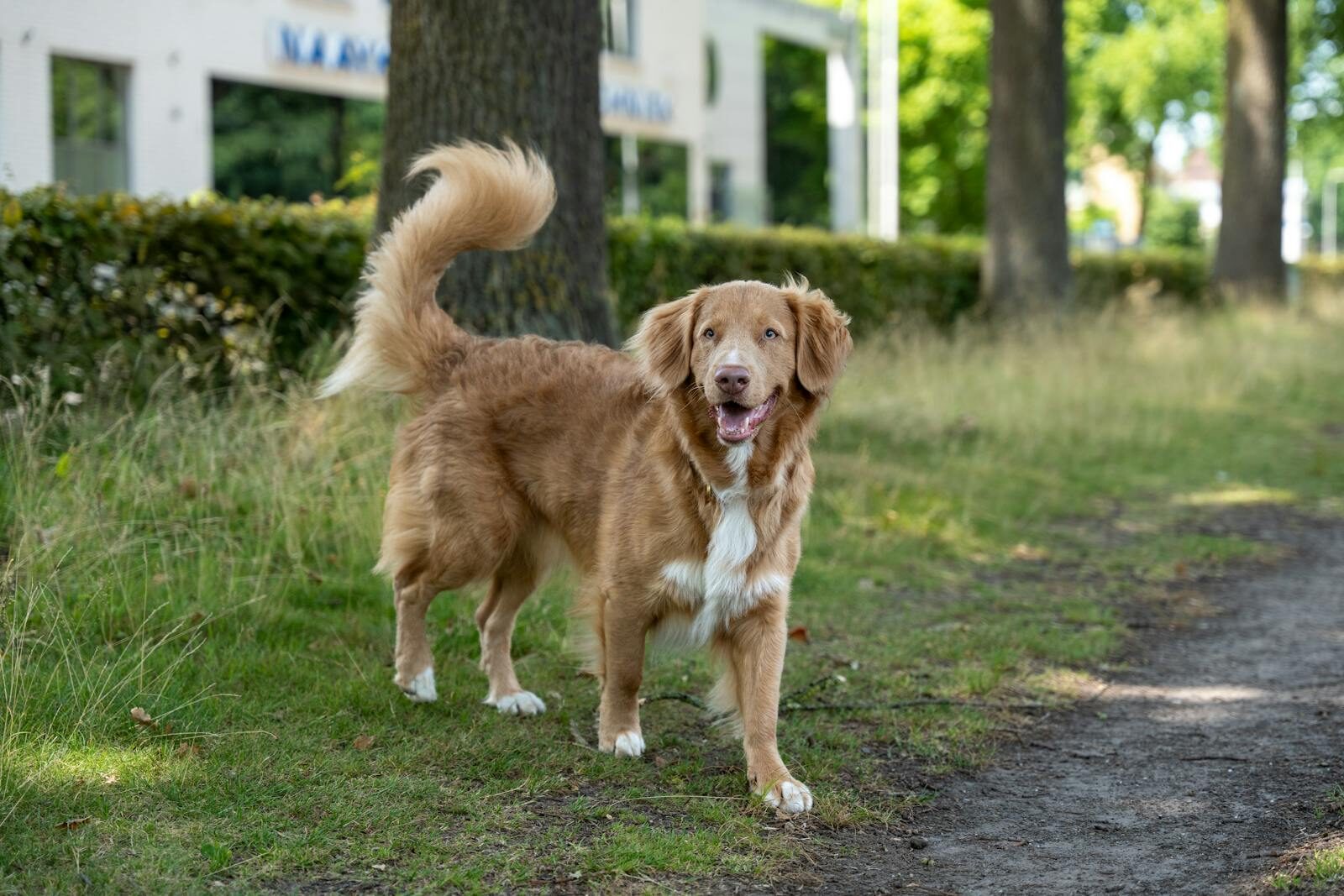
This is the big one: a wagging tail might convey another emotion or message, such as aggression, excitement, anxiety, or insecurity. Most people assume any tail movement equals contentment, but that’s dangerously wrong. The devil is in the details—the height, the speed, the stiffness.
In general, the higher the dog’s tail and the faster the wag, the greater the level of arousal. While a very high tail indicates high arousal, a very low-wagging tail most often denotes fear and appeasement. A low tail wagging rapidly is your dog begging you to leave them alone—they’re uncomfortable, not thrilled. Tail wags are often misinterpreted to mean that the dog is “friendly” and wants to engage, when the dog may be trying their best to find a way to end the interaction. Even a tail held very high can indicate tension in your dog’s mood, whereas a loose tail wag is consistent with a relaxed or content dog. The whole body is the message. Just the tail is incomplete data.
Cats Knead Because They’re Nursing Ghosts
When kittens are nursing from their mothers, they knead the breast (also called ‘milk treading’) to encourage milk expression and to make it flow faster. The behavior sticks. Adult cats may knead when they feel safe and happy, such as when they are being petted or sitting on their favorite spot, and many cats will continue to knead into adulthood because the motion of kneading has positive associations with the comfort of nursing.
But there’s more happening: cats have scent glands on the underside of their paws, and they use scent as a way of creating familiarity, marking territory, self soothing or bonding with another creature. When your cat is kneading on you while purring, they’re feeling safe, claiming you with their scent, and reliving the comfort of nursing all at once. That’s multitasking.
Dogs Play Bow to Signal “This Is Safe”
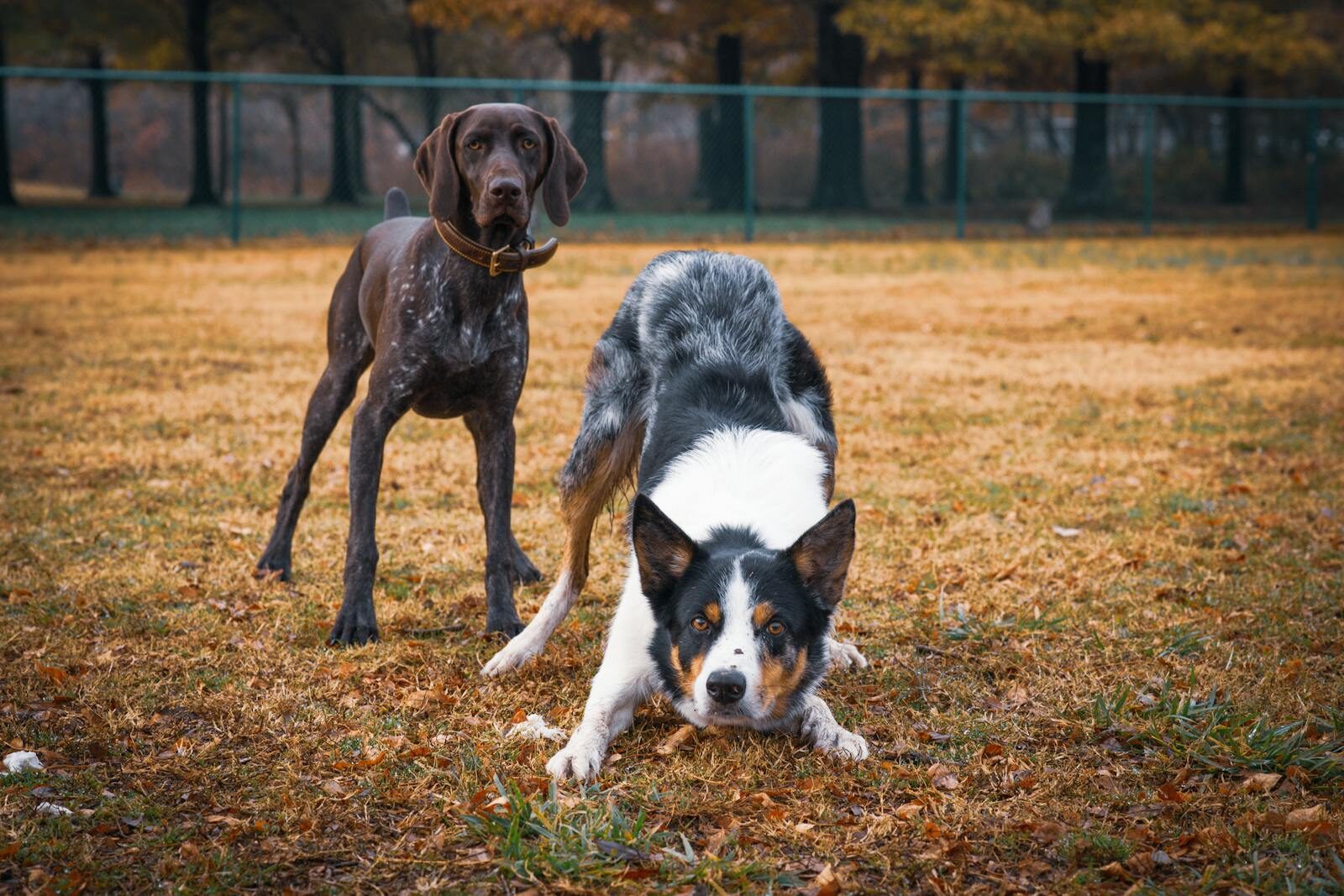
A play bow is a posture where the dog lowers its front end, stretching the front legs with elbows on the ground, while keeping the hind end raised. On the surface it looks like they’re stretching, but it’s actually a deliberate social signal. Because rough play between dogs can mimic elements of aggression—chasing, nipping, wrestling—the play bow acts as a social disclaimer: “What follows is for fun, not threat”.
When observed during playtime, the play bow acts as a signal to other dogs, and humans, that your pet would like to engage in friendly, non-threatening, interactions. If playtime is getting too rough, you’ll see a bow—the dog is essentially saying, “Okay, we’re still cool, right?” It’s conflict resolution through posture.
The Cat Loaf Is Relaxation Plus Security
When a cat tucks all four paws underneath their body and sits in that perfect loaf-of-bread shape, they’re doing two things at once. Tucking in their paws and curling their body reduces exposed surface area, helping them retain heat. But it’s not just about warmth. By tucking four paws in, cats conserve body heat and can quickly spring into action if necessary.
Dogs Yawn Contagiously Because They Empathize
When you yawn and your dog yawns seconds later, that’s not coincidence—it’s empathy. The mechanism behind contagious yawning between humans and dogs is likely rooted in the mirror neuron system, a part of the brain responsible for empathy and the understanding of others’ actions and intentions. The first study to show contagious yawning in dogs demonstrated that a whopping 72 percent of the dogs yawned after observing a human experimenter yawn.
This isn’t a stress response. Research indicated that the phenomenon of contagious yawning in dogs is unrelated to stressful events, and findings are consistent with the view that contagious yawning is modulated by affective components of the behavior and may indicate that rudimentary forms of empathy could be present in domesticated dogs. When your dog yawns after you do, your dog is actually mirroring your emotional state. That’s a direct line between your nervous system and theirs.
Play Bowing Over a Toy Changes Everything
Here’s the trap: a low growl or a stiff mouth increases the likelihood that the signal indicates resource guarding. The same posture—front end low, rear end high—can mean “let’s play” or “this is mine, back off,” depending on context. If the toy sits between the paws and the body remains rigid, the posture may signal possession rather than invitation. Approaching that dog like it’s an invitation to play is a mistake. The muscles are tight, not relaxed. The eyes are fixed. This is a territorial claim, not an invitation.
It’s the same fundamental posture expressing two completely opposite meanings. The only difference is muscle tension and intention. That’s why actually watching your dog—not just seeing them—matters.