5 Tiny Animals With Shockingly Powerful Survival Skills
Size is irrelevant. Some of the deadliest, most inventive survival mechanisms in nature are packed into creatures barely visible to the naked eye. These animals didn’t just adapt—they engineered solutions that make our weapons look primitive. They’re built to exploit physics, chemistry, and pure audacity in ways that’ll make you rethink what “powerful” even means. Here are five tiny creatures that hit way above their weight class.
The Pistol Shrimp Fires 210-Decibel Cavitation Bubbles at 60 Miles Per Hour
This crustacean is less than two inches long. It has one absurdly oversized claw that functions as a submarine-grade weapons system. When the shrimp snaps that claw shut, it creates a jet of water moving at 60 mph—fast enough that the pressure drops instantly below water’s vapor point. That creates a cavitation bubble, a temporary vacuum pocket that immediately collapses under surrounding pressure.
That collapse is the punchline: it releases a shockwave at nearly the temperature of the sun’s surface, generating a sound louder than a gunshot at 210 decibels. For perspective, sperm whales top out around 230 decibels and are the loudest animals on Earth, but the pistol shrimp is second. The extreme temperatures and localized shockwave can stun or kill prey within three millimeters of the snap. During WWII, the U.S. Navy reportedly hid submarines near pistol shrimp colonies because their snaps interfered with sonar detection. A two-inch animal solved acoustic stealth problems that took human engineers decades.
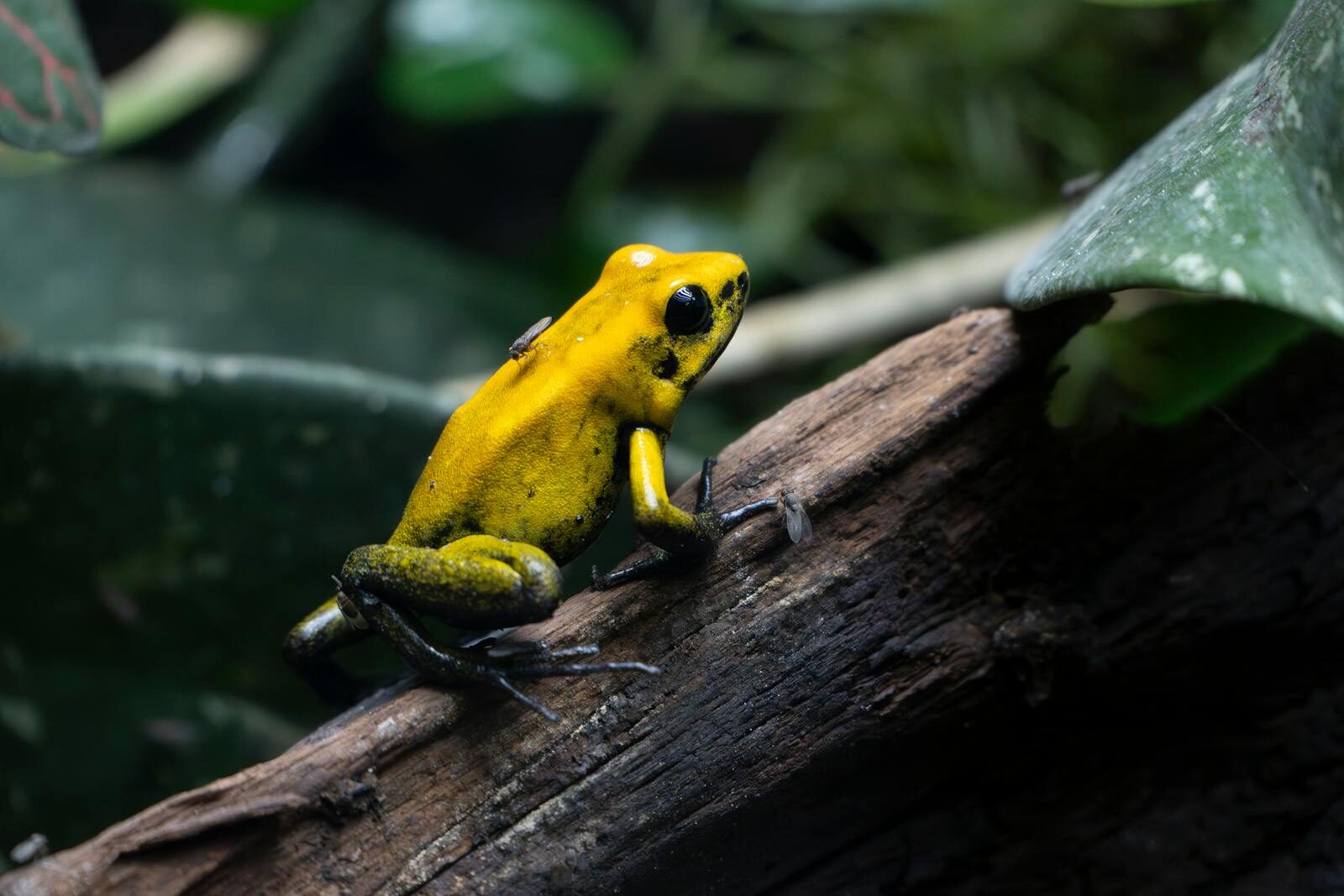
The Golden Poison Dart Frog Secretes Enough Batrachotoxin to Kill Ten Humans
This frog is bright yellow, fits in your palm, and is one of the deadliest animals on the planet. It secretes batrachotoxin, a polycyclic steroidal alkaloid that permanently blocks the transmission of nerve signals to the muscles. Symptoms include convulsions, paralysis, and cardiac failure. There is no effective antidote for batrachotoxin poisoning.
Here’s the twist: the frog doesn’t manufacture the toxin. It absorbs batrachotoxin from its diet and secretes it onto its skin as a defense mechanism. The frog evolved immunity with a single amino acid substitution—an asparagine-to-threonine change—in its muscle sodium channels that renders them exceptionally resistant to its own poison. One genetic mutation. That’s the engineering that keeps it alive while wearing a lethal coat. The amount of toxin collected from one frog is potent enough to kill 10 humans and can be used to cover 30-50 dart tips. Indigenous peoples weaponized this. A tiny frog designed nature’s most portable bioweapon.
The Flea Jumps 100 Times Its Body Height Using a Resilin Catapult
A flea is 1-3 millimeters long. It can launch itself to heights of up to 30 centimeters (about 12 inches), which is approximately 100 times its own body height. If humans could match that proportional leap, we’d hurdle office buildings. The trick? Fleas don’t rely on muscle alone—they use an elastic pad made of a protein called resilin like a tensed spring.
Before jumping, the flea compresses the resilin pad to build potential energy, then releases it. Scientists have documented that fleas accelerate to take-off speeds of 1.9 meters per second in less than 1 millisecond, generating tremendous g-forces—approximately 100 g, which far exceeds what human pilots experience in high-performance aircraft. Resilin is one of the most efficient elastic materials found in nature—it doesn’t wear out, doesn’t creep under sustained load, and rebounds almost instantly. Fleas inherited this mechanism from their winged ancestors and repurposed it: flight energy redirected downward into the legs. Tiny, efficient, unstoppable.
The Horned Dung Beetle Lifts 1,141 Times Its Body Weight
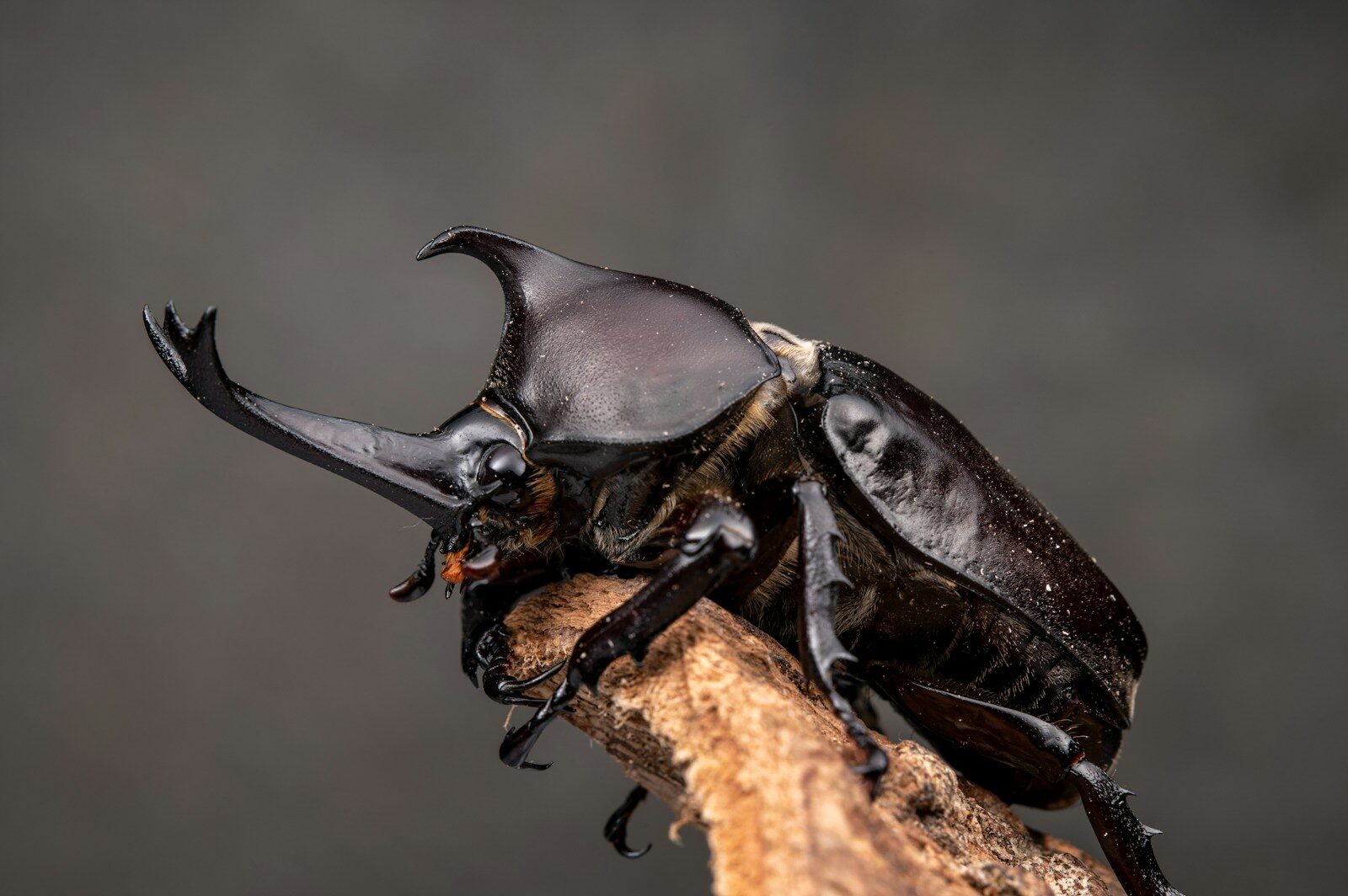
Compare this to an African elephant, which can carry about 300 times its body weight. Now meet Onthophagus taurus, a dung beetle with a horn that can hoist 1,141 times its own mass. These beetles are engineered specifically for strength. They’re built low, compact, with massive leg muscles anchored to an exoskeleton that distributes force across the entire body.
The horn itself is a lever system—it’s not there to gore; it’s designed to lift and move objects orders of magnitude larger than the beetle itself. Researchers documented this with high-speed video and precise measurements. The biomechanics reveal a creature optimized entirely for moving what shouldn’t move. No wasted components. Pure power.
The Mantis Shrimp Punches with the Force of a .22-Caliber Bullet
Mantis shrimp strike at 50 mph with acceleration around 10,400 g-forces. The cavitation bubbles that collapse from the strike generate temperatures almost as hot as the sun’s surface. But here’s what makes them extraordinary: they don’t just hit hard—they see colors humans don’t have words for and can perceive circular polarized light. They’re engineered for dominance in three-dimensional reef combat.
The strike itself travels so fast that the low pressure created behind the punch causes cavitation—imploding bubbles that release destructive energy independent of the strike itself. They’re carrying two weapons: the impact and the acoustic shockwave that follows. Mantis shrimp evolved in environments where vision and violence both need to be extraordinary. Both are.