5 Nervous Habits People Don’t Know They’re Doing
You catch yourself doing it—again. The pen clicking. The leg bouncing. The hair twirling. You had no idea you were even doing it until someone pointed it out or you happened to notice in a mirror. Nervous habits are these fascinating involuntary behaviors that your nervous system engages in under stress, and the person performing them is usually the last to know. They’re not conscious choices. They’re automated stress responses, and they’re broadcasting information about your internal state while your conscious mind is completely unaware. Here are five nervous habits that people don’t realize they’re doing—and what they’re actually signaling.

Nail Biting—Your Brain’s Anxiety Relief Switch
When someone is anxious, they just want to do something with their hands to alleviate the restless energy, so one of the common nervous habits that develop is nail biting. People engage in these nervous habits mostly unconsciously. Your fingers drift to your mouth and suddenly you’re picking at your cuticles or biting your nails, but you didn’t decide to do it. Your nervous system did.
The function is self-soothing: nail biting gives your hands a task, focuses your attention on the sensation, and triggers a minor endorphin release. But it’s also the most visible anxious habit. Your chewed, ragged nails are broadcasting your stress to everyone around you. If you’re tending to bite your nails because of stress or negative emotions, you can find other ways of occupying your hands—twirling your pencil, tapping your finger and thumb together, clasping your hands and rotating your thumbs—all these habits are much less intrusive and will not communicate the same level of anxiety to other people.
Leg Bouncing or Foot Tapping—Energy Release Mechanism
You’re sitting in a meeting and your leg is bouncing. You didn’t notice. But everyone else did. Whether tapping your foot, drumming your fingers, or twirling a pen, fidgeting is your body’s way of burning off nervous energy. It might seem harmless, but if you’re constantly moving in your seat or can’t keep still, it’s a sign your anxiety is working overtime, even if you’re trying to keep it cool on the outside.
Your nervous system is flooded with stress hormones—adrenaline, cortisol. These chemicals were designed to mobilize you for action. But in a business meeting, you can’t run or fight. So your legs bounce. Your fingers tap. You’re discharging that energy through tiny repetitive movements. The problem: to others, leg bouncing signals impatience, boredom, or discomfort. You’re communicating something you don’t intend, completely unaware that you’re doing it.
Hair Twirling or Tugging—Stress Channeling
Such behaviors are coping mechanisms that stem from childhood. Essentially, your simple foot shaking tic is a sign that something was off in your upbringing—or at least it used to serve a purpose then. According to research, the basal ganglia, a region of the brain involved in motor control, is involved in these repetitive behaviors. Your brain learned once that physical self-focus can reduce anxiety, and that pattern stuck.
Hand Wringing or Fidgeting With Objects—Control Mechanism
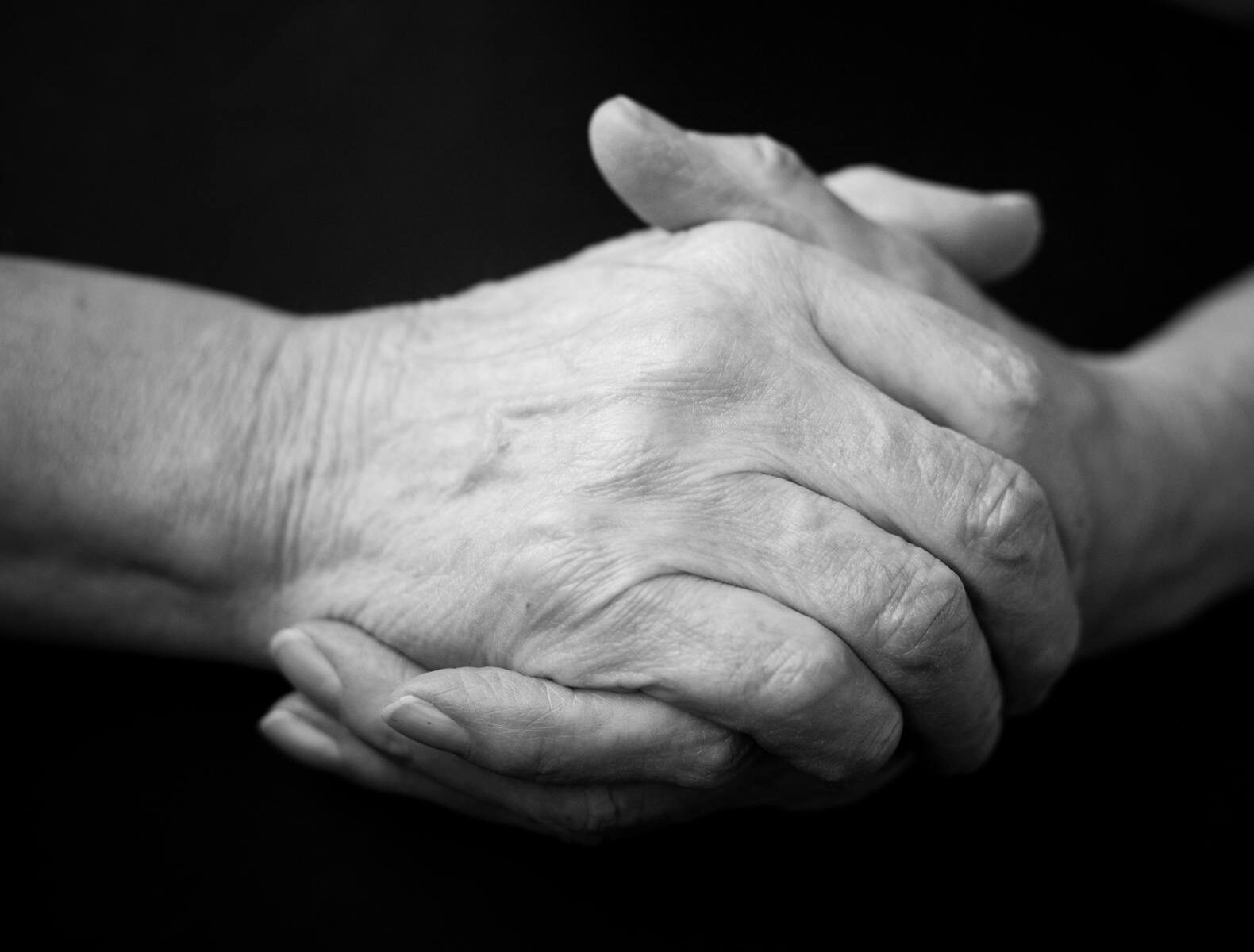
You’re not just burning off energy—you’re trying to regain control. Anxiety is the feeling of losing control, so your nervous system responds by doing something, anything, that you can control. Twirling a pen. Fidgeting with a stress ball. Playing with your bracelet. These micro-actions restore a tiny sense of agency when your environment feels chaotic. The behavior is adaptive—it works to reduce anxiety temporarily. But it also signals to observers that you’re uncomfortable or stressed, which you may not want to communicate.
Avoiding Eye Contact or Looking Down—Withdrawal Response
When we avoid eye contact with people, we communicate, “I’m not confident enough to face you.” Nervous people, when they enter a room, tend to look down rather than scan the environment. But here’s the trap: people interpret avoiding eye contact as dishonesty or guilt, whether that’s what you intend to communicate or not. You’re anxious, so you look down. But now the other person thinks you’re hiding something. Your involuntary nervous behavior has created a false impression of your character.