7 Strange Things That Happen to Your Body While You Sleep
While you sleep, you may look still and peaceful from the outside. Inside, though, your body is busy running a complex overnight program that resets your brain, hormones, and even your immune system. Some of the strangest parts of that program only show up when something goes wrong, which is why understanding them can help you protect your health.
Once you know what your body is secretly doing at night, you start to see odd daytime symptoms in a new light. That nagging headache, sudden clumsiness, or emotional crash might trace back to what happened in your last few sleep cycles.
1. Your brain temporarily paralyzes most of your muscles
As you drift into rapid eye movement sleep, your brain flips a safety switch that shuts down most voluntary muscles. This REM atonia keeps you from acting out your dreams, so when you run from danger or slam the brakes in a nightmare, your legs and arms stay mostly still in bed. When that system misfires, you can wake up mentally alert but unable to move for a few seconds, a phenomenon known as sleep paralysis that often feels terrifying even though it usually passes quickly.
Researchers who study odd sleep behaviors describe REM atonia as one of the key reasons your bedroom stays safer at night. Without it, more people would leap out of bed, collide with furniture, or injure partners while acting out intense dreams. If you ever wake up frozen, you are feeling that protective system lag slightly behind your waking brain.
2. Your brain runs a deep cleaning cycle
During sleep, your brain’s housekeeping crew goes to work. Cerebrospinal fluid pulses through brain tissue more freely than it does during the day, helping wash away metabolic waste like beta-amyloid proteins that build up while you are awake. Scientists compare this to a night shift janitorial team that clears out clutter so your neurons can fire more cleanly the next day.
When you cut sleep short, those waste products linger and subtle warning signs start to show up. Earlier this year, specialists described how chronic lack of rest can trigger hidden symptoms such as irritability, slowed reaction time, and trouble focusing long before you notice classic fatigue. That foggy, “off” feeling after a string of late nights is your brain trying to work in a space that never got fully tidied.
3. Your heart and blood vessels rehearse stress
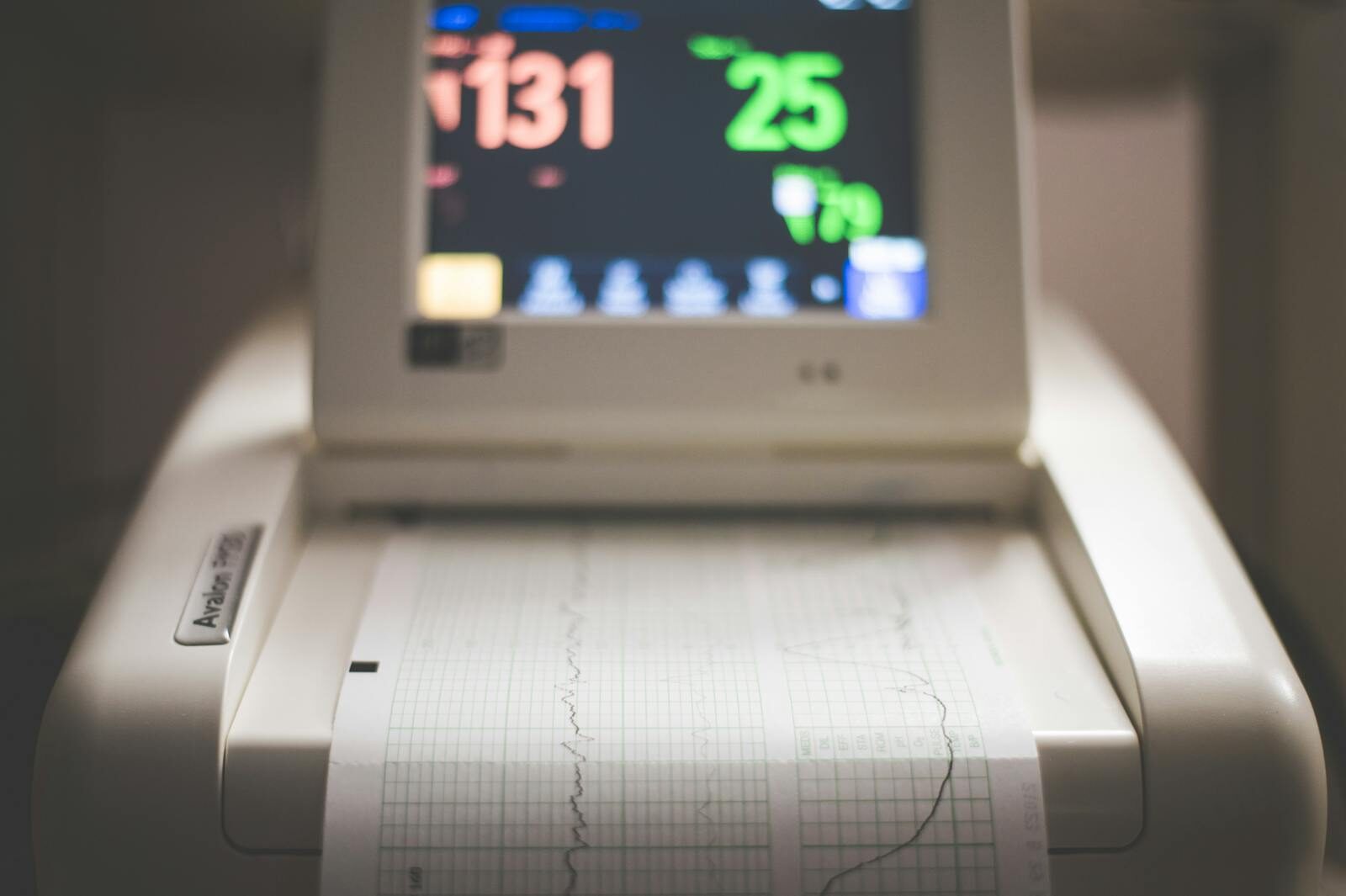
Sleep looks peaceful, but your cardiovascular system is not simply idling. During deeper stages, your heart rate and blood pressure dip, which gives your vessels a chance to recover from daytime strain. During REM, your heart rate can spike and fall in quick bursts as dreams trigger emotional surges. That pattern acts like a rehearsal for real-life stress, training your system to respond and then settle back down.
When you repeatedly miss sleep, that training goes sideways. The same kind of strain that shows up after extreme efforts, such as the cardiovascular stress seen when people run a full marathon, can appear in milder form after long periods of poor rest. Coverage of marathon effects on the body highlights how sustained physical stress can temporarily change heart markers; long-term sleep loss pushes your system in a similar direction with far less obvious warning.
4. Your hormones swing through dramatic highs and lows
Overnight, your body cycles through a hormonal choreography that would look chaotic if you graphed it. Growth hormone rises during deep sleep to help repair muscle and bone. Cortisol, your main stress hormone, drops to its lowest levels before gradually rising toward morning to help you wake. Leptin and ghrelin, the hormones that regulate appetite, also shift, which is why short sleep often leaves you craving sugary snacks the next day.
You can see a similar hormone roller coaster in other life stages. When someone stops breastfeeding, for example, levels of prolactin and oxytocin change quickly, and that shift can affect mood, appetite, and sleep quality. Health experts who track post-breastfeeding changes describe how sensitive your body is to hormonal swings. Your nightly sleep cycles are a quieter but constant version of that same sensitivity, and cutting them short can leave you feeling emotionally raw or unusually hungry without understanding why.
5. Your immune system runs a strategy meeting
While you sleep, your immune cells regroup and reorganize. Production of certain cytokines rises, which helps your body respond to infections and repair daily wear and tear. Vaccines tend to work better and cold symptoms often feel more manageable when you have consistent, adequate sleep, because your immune system uses those hours to fine tune its response.
When you skimp on rest, that night shift gets disrupted, and you may notice that every seasonal bug seems to find you. Clinicians who track conditions that disturb often see a pattern of more frequent infections, slower recovery from minor illnesses, and flares of chronic inflammatory problems. Your body is trying to hold strategy meetings in a room where the lights keep flicking on and off.
6. Your body pressure-tests its systems like an endurance event
Even on quiet nights, your body uses sleep to simulate challenges. Breathing patterns shift, blood pressure dips and rises, and your muscles repeatedly tense and relax. It is a gentle stress test that helps keep your systems flexible. You can think of it as a low-key training session compared with what happens in extreme situations such as ultradistance races or spaceflight.
Reports on space effects on the human body describe bone loss, fluid shifts, and changes in vision when gravity disappears. On Earth, your overnight cycles help counter those kinds of shifts by moving fluids, stimulating bone, and resetting balance signals. Endurance events like long marathons or multi-day rides push those same systems hard, and athletes often describe strange nighttime symptoms during recovery that mirror the way their bodies were stressed. Your sleep is where much of that repair work gets done.
7. Your brain rewires memories and emotions
During the night, your brain replays fragments of your day, files some memories into long-term storage, and quietly discards others. Emotional memories, especially the intense or unsettling ones, often get special handling during REM sleep. That is why a conflict at work can feel less sharp after a good night’s rest, even if nothing about the situation has changed.
When you repeatedly cut sleep short, that emotional processing backlog grows. Specialists who track the subtle effects of stress on the body see the same pattern: tension builds in your muscles, digestion shifts, and mood swings become more frequent. Poor sleep adds another layer by blunting the overnight reset that usually helps you put daily stress into perspective.
Why it matters
Once you understand how active your body is at night, it becomes harder to treat sleep as optional. You are not just resting; you are running a full-body maintenance program that touches your brain, heart, hormones, and immune system. When you shortchange that program, strange daytime issues start to stack up, from clumsiness and food cravings to headaches and emotional volatility.
Many people miss the connection because the signals are subtle at first. A few late nights feel manageable, then suddenly you are forgetting appointments, snapping at people you care about, or catching every cold that passes through your office. Specialists who track bizarre sleep-related symptoms often find that the root cause is not exotic at all. It is ordinary sleep deprivation that has quietly disrupted multiple systems at once.
Thinking about sleep as a daily health investment helps you reframe choices that might otherwise feel harmless. That extra episode of a show, one more scroll through social media, or another late-night email session is not just stealing time. It is borrowing against your brain’s cleaning crew, your heart’s recovery window, your immune system’s strategy meeting, and your emotional reset.