6 Old Medical Treatments That Sound More Like Torture
You like to think of medicine as a source of relief, but for most of history it often looked a lot more like punishment. Before anesthesia, antibiotics, or even basic hygiene, you would have faced treatments that sound closer to a horror script than health care. Looking back at them does not just satisfy morbid curiosity, it helps you see how ideas about pain, consent, and dignity in medicine have changed.
Set against modern debates over how people are treated in clinics, prisons, and immigration facilities, those older practices reveal a pattern. The line between care and cruelty has always depended on who holds power over a vulnerable body and what limits society is willing to enforce.
1. Bloodletting: When losing pints was the “cure”
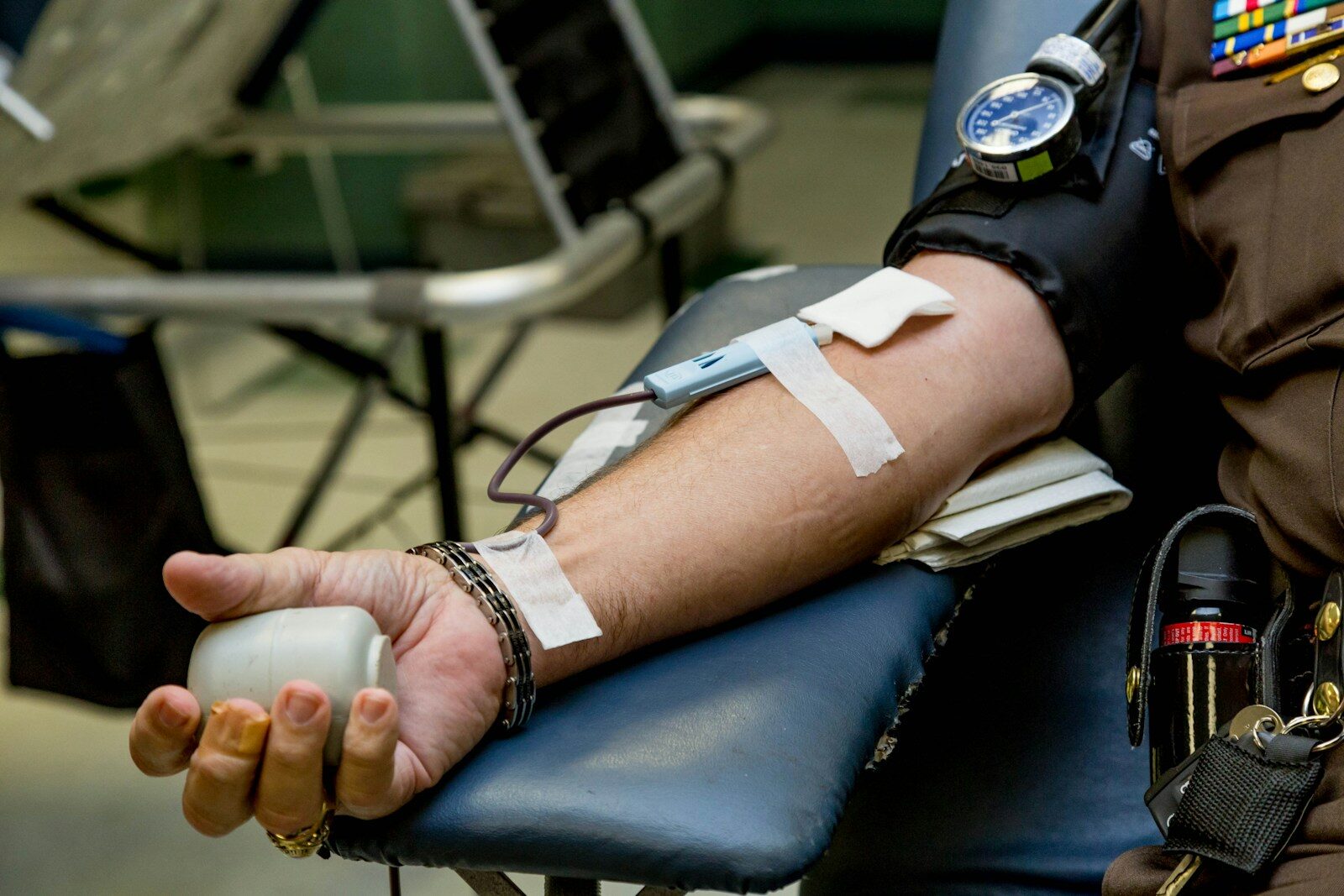
If you lived in Europe or North America a few centuries ago and came down with a fever, a doctor would probably have reached for a sharp blade and a bowl. Bloodletting rested on the belief that your body held four humors and that illness came from imbalance. The fix, in that logic, wa
s simple: open a vein and let the “bad” blood pour out.
You would have been told that weakness and dizziness were signs the treatment was working. In practice, repeated bleeding left people dangerously depleted, especially if they were already frail or malnourished. Some patients were bled again and again over days, even as they slipped toward shock. The idea of informed consent barely existed, and if you were a child, a woman, or a poor patient, your objections carried even less weight.
What makes bloodletting feel so brutal to you now is not only the physical pain, but the confidence with which it was prescribed. Physicians framed it as precise and scientific, even as they ignored mounting cases where patients worsened or died soon after the procedure. The lesson is uncomfortable: an entire system can normalize harm when it is wrapped in the language of expertise.
2. Trepanation: Drilling holes in your skull
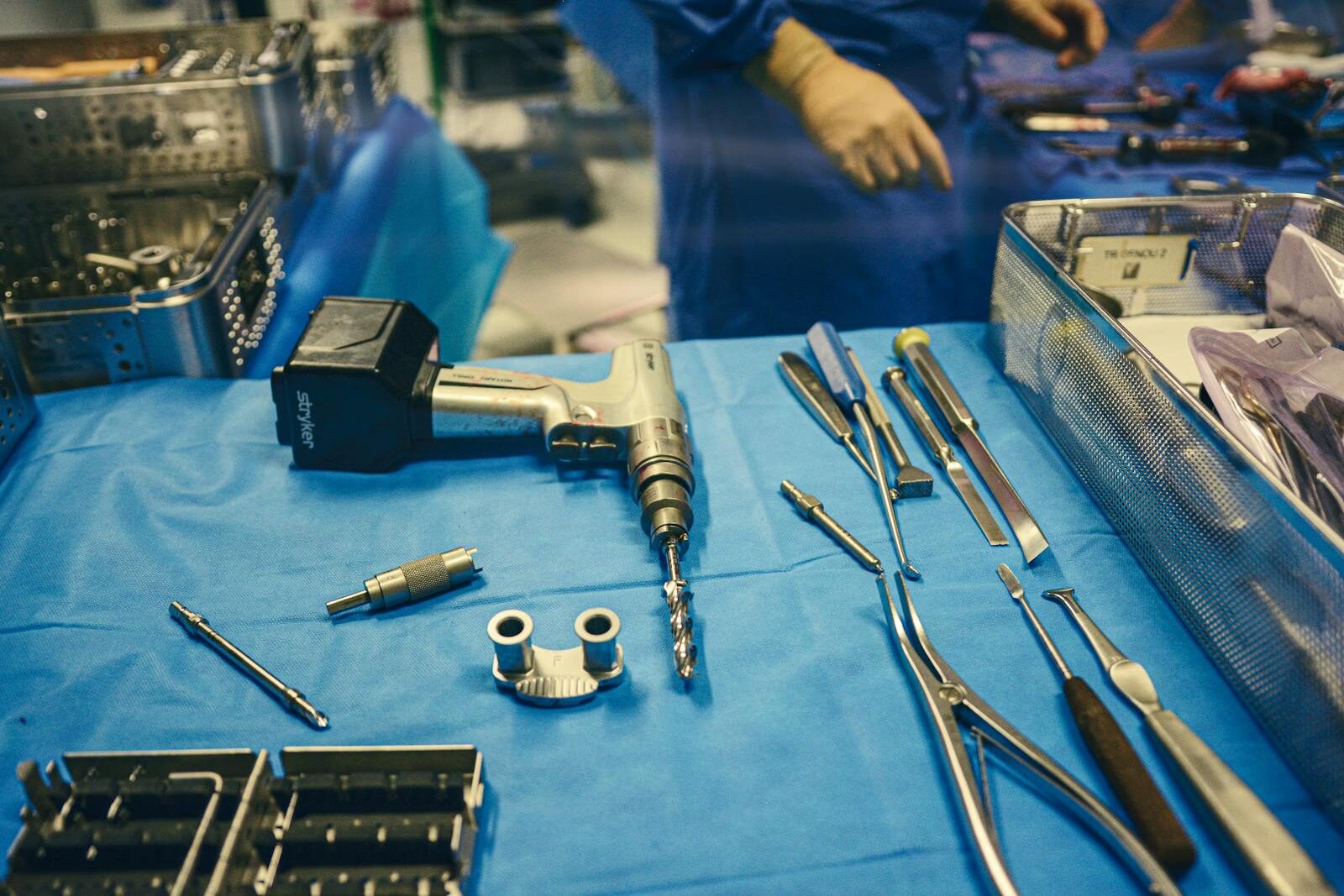
Trepanation is one of the oldest known surgical procedures, and it is exactly as grim as it sounds. If you suffered seizures, severe headaches, or behavior that your community did not understand, a healer might have tried to help by cutting a circular hole into your skull. The stated goal was to release evil spirits or relieve pressure, but you would have experienced it as a brutal, noisy, and often fatal ordeal.
Without modern anesthesia, you might have been sedated only with alcohol or herbs, then held down while a sharp instrument scraped or drilled through bone. Infection was a constant threat. Even when you survived, you could be left with chronic pain, neurological damage, or lifelong disability. Yet in many cultures, the visible hole in your skull became a kind of badge that you had been “treated,” not abused.
Trepanation shows you how quickly fear can justify extreme intervention. Families who were desperate to stop seizures or strange behavior often agreed because they saw no other option. That same desperation still appears today when people are steered into harsh or unproven treatments in the name of safety or social order.
3. Lobotomies: Turning personality into a medical target
By the mid twentieth century, medical tools looked far more modern, but some treatments remained chilling. If you had been labeled “difficult,” “hysterical,” or “unmanageable” in a psychiatric hospital, you might have been offered, or simply forced into, a lobotomy. Surgeons cut or severed connections in the frontal lobes of the brain to dampen emotions and behavior.
In practice, you risked losing far more than your symptoms. Many people emerged from lobotomy subdued, unable to plan, work, or relate to family the way they once had. Some were left incontinent or unable to care for themselves. The procedure was often carried out on people who had little chance to say no, including women whose husbands or parents signed consent, and patients in long term institutions who were treated as problems to be managed rather than people to be heard.
What makes lobotomy so disturbing is how quickly it went from fringe idea to mainstream solution. Surgeons were praised as innovators, and hospitals used the procedure to control overcrowded wards. From today’s vantage point, you see a system that treated the brain like a faulty part to be cut away instead of a core part of a person’s identity and rights.
4. Restraints and isolation as “therapy”
Long before you had modern psychiatric medications, many institutions relied on physical control instead of care. If you were agitated, confused, or simply noncompliant, you could be strapped to a bed, locked in a small room, or placed in a straitjacket for hours or days. Staff described these measures as therapeutic, claiming they protected you and others from harm.
From your perspective, the experience would have felt like punishment. Restraints can cause bruises, nerve damage, and even suffocation if you struggle or are positioned badly. Isolation can trigger panic, hallucinations, and deep despair. People in asylums, orphanages, and other closed settings often had no way to report abuse or ask for a different approach.
Modern human rights groups still document similar patterns. Investigators who examined abusive practices at three Florida immigration detention centers described how confinement, lack of medical care, and coercive conditions left people feeling that their lives were effectively over. Even when the setting changes from an asylum to a detention facility, the core problem stays familiar: control is framed as care, and the people subjected to it have little power to refuse.
Set against that history, current debates about seclusion rooms in psychiatric units or restraint use in nursing homes show how slowly some habits shift. The tools might be softer, the language more clinical, but the risk of crossing from protection into cruelty remains.
5. “Moral treatments” that policed behavior more than illness
In the nineteenth and early twentieth centuries, many doctors believed that mental illness and social deviance came from weak character or bad habits. If you were a woman who challenged gender roles, a teenager who resisted authority, or a person whose sexuality did not fit the norm, you could be labeled disordered and sent to an institution for “moral treatment.”
Inside, you might face a strict routine of forced labor, cold baths, and rigid discipline. Staff claimed that hard work and obedience would restore your health. In reality, these regimes often functioned as tools of social control. Your letters could be censored, your visitors limited, and your protests dismissed as further evidence of illness.
Many of these institutions blurred the line between medical and carceral spaces. You might be admitted by a family member or local authority and then find it nearly impossible to leave. The treatments you received were less about easing distress and more about reshaping you into a version of “normal” that fit the expectations of the time.
When you look at current systems that mix health care and punishment, from drug courts that mandate treatment to detention centers that provide minimal medical support, you can see echoes of those older moral frameworks. The risk is that your access to care becomes conditional on submission rather than grounded in your rights and needs.
6. Pain as proof that care was working
Across many older treatments, one pattern stands out: your pain was often treated as a sign that the intervention was effective. Whether you were being bled, drilled, restrained, or scolded through moral therapy, suffering was framed as a necessary step on the way to health. If you complained, you could be told that you lacked discipline or faith.
That mindset did not vanish with the arrival of antibiotics or modern surgery. You still see versions of it whenever pain relief is withheld because staff assume you are exaggerating, or when people in custody are denied treatment as a form of pressure. The idea that certain bodies should endure more suffering, whether because of race, immigration status, gender, or mental health labels, has deep historical roots.
Today, debates about opioid prescribing, access to anesthesia in childbirth, and medical care in prisons all circle around one question: whose pain counts as a problem to be solved, and whose pain is quietly accepted as part of the system. When you recognize how often past treatments normalized agony, you can better spot the moments when current practices risk doing the same.


