6 Things People Used to Do That Would Horrify Us Now
You live in a world where seatbelts click automatically, kids wear SPF 50 to walk to the mailbox, and food labels read like chemistry exams. Not long ago, everyday life looked very different, and many ordinary habits from just a few decades back would make you cringe now. Look closely and those old routines reveal how quickly your sense of “normal” can change, and how much your standards for safety, privacy, and dignity have shifted.
1. Letting kids roam free with almost no supervision
If you grew up before smartphones, you probably remember leaving the house in the morning and not checking in again until dinner. Maybe you biked across town, swam in lakes without lifeguards, and climbed trees higher than any modern playground would ever allow. Parents felt comfortable because everyone else did the same thing, and you were expected to figure things out on your own.
In those days, summer meant long stretches of unsupervised time. You might have ridden in the open bed of a pickup truck, played with fireworks in the backyard, or spent all day at a public pool with no adult who knew your name. Looking back, many of those summer adventures sound less like childhood nostalgia and more like a list your pediatrician would hand you as “things not to do.”
Now, you probably track kids’ locations on apps, coordinate playdates by text, and expect at least one adult to hover near any group of children. You sign waivers for trampoline parks and climbing gyms, and you think twice before letting a child walk home alone from school. The change is not only about fear. You now have decades of injury data, child safety campaigns, and high-profile missing child cases in your memory, so what once felt normal now looks reckless.
2. Treating cars like moving living rooms
For much of the twentieth century, people treated cars like rolling lounges. Seatbelts were optional, and many drivers and passengers did not use them even when they were installed. Kids sprawled across back seats or lay in the rear window shelf to nap on long drives. If you were very young, you might have been placed on a parent’s lap in the front seat, even while the car moved on busy roads.
Smoking in cars was routine, with windows barely cracked, even when children sat in the back. You might remember ashtrays built into doors and dashboards, and lighters that glowed red when you pushed them in. Vehicles lacked airbags, side-impact protection, and the crumple zones you now take for granted. In that world, a family road trip looked cozy, but the risk of serious injury in even a modest crash was much higher than you would accept today.
Modern safety standards make those habits feel shocking. You now strap babies into rear-facing seats, follow strict height and weight guidelines, and secure boosters until kids are far older than your parents ever imagined. Laws require seatbelts, and you probably feel a jolt of anxiety if a car starts moving before everyone clicks in. Looking back at how casually people once treated speed, distance, and fragile human bodies, you can see why those older routines now sit firmly in the “never again” category.
3. Ignoring sun protection and basic health warnings
For a long time, a deep tan signaled health, leisure, and status. You might have slathered on baby oil, stretched out on a metal lawn chair, and spent hours chasing a darker shade. Sunburns were treated as a minor inconvenience, something you joked about when your skin peeled a few days later. Parents sent kids outside “to get some color” with no sunscreen in sight.
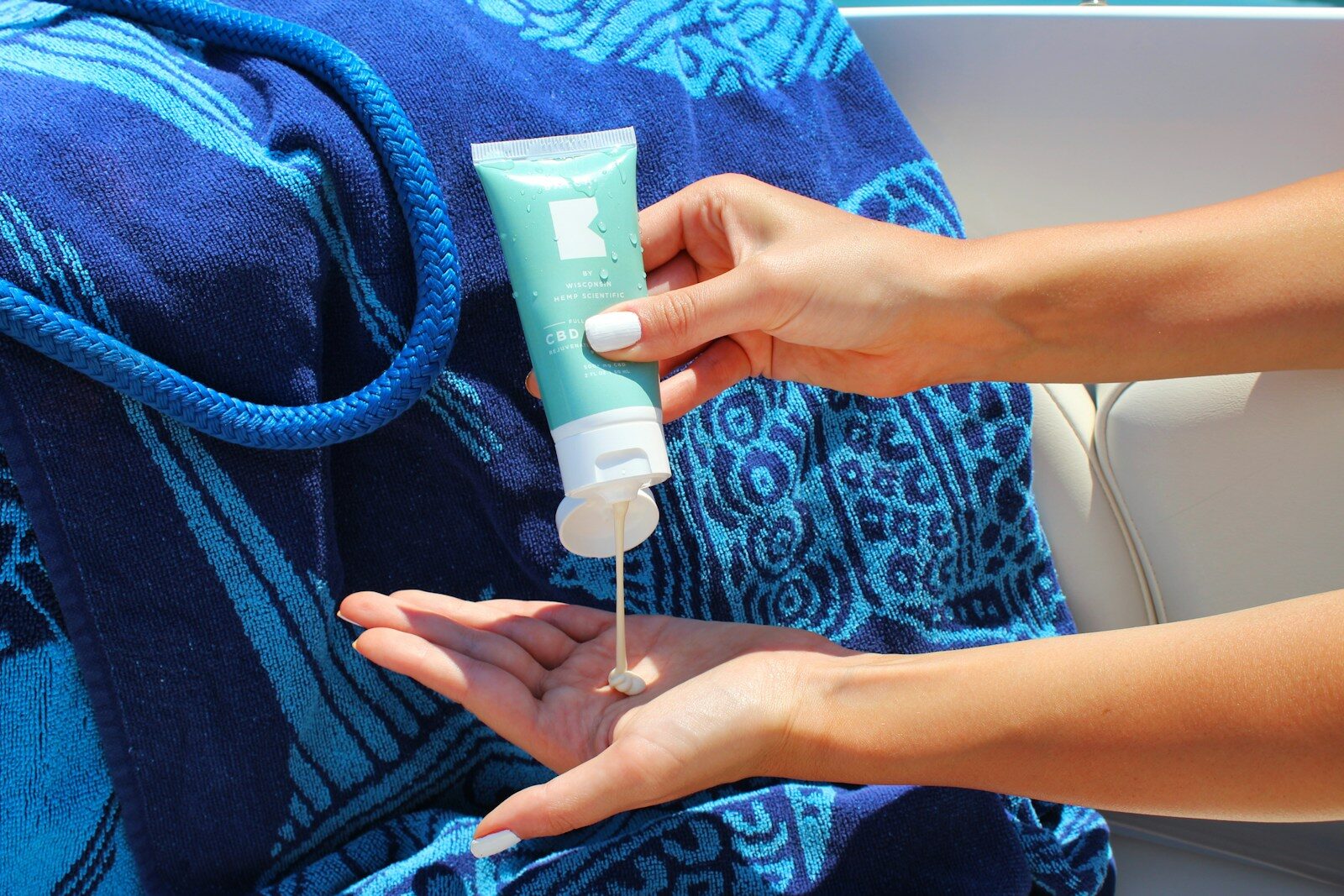
Public health guidance has shifted sharply. You now know that repeated burns in childhood raise your risk of skin cancer, and that ultraviolet exposure damages skin long before wrinkles appear. The idea of intentionally burning for beauty feels reckless. You stock up on broad-spectrum SPF, wear hats, and keep kids in rash guards at the beach. When you see old photos of people lobster-red at the pool, you see a preventable medical problem, not a carefree vacation.
The same pattern shows up with other once-routine exposures. Leaded gasoline, indoor smoking, and casual asbestos use were part of daily life. You might have lived in homes with lead paint, played on floors where adults smoked, or walked past construction sites that released dust everyone now treats as hazardous. As medical research linked these exposures to cancer, respiratory illness, and developmental problems, your tolerance for them collapsed. Practices that once seemed ordinary now look shocking because you cannot unlearn the science.
4. Parenting and discipline that crossed lines
Corporal punishment used to be a standard tool in many households and schools. You might have seen teachers keep paddles on classroom walls, or heard adults talk openly about “a good spanking” as a way to correct behavior. Parents hit children in public without worrying that strangers would intervene. The line between discipline and abuse was blurry, and emotional harm rarely came up in conversation.
Public humiliation was also common. You might have watched kids forced to stand in corners for long stretches, wear embarrassing signs, or be shamed in front of peers for mistakes. Some of the habits that older generations remember with pride now leave younger people horrified. When you read about Gen X parenting, you see how often toughness and independence were built on experiences that would trigger a welfare check today.
Over time, child psychology research and high-profile abuse cases changed how you think about harm. You now talk about trauma, emotional safety, and consent. Many schools ban physical punishment, and parents worry about yelling in ways that previous generations considered normal. You also recognize that “kids are resilient” can hide serious damage. What once looked like firm discipline now reads as violence, and you measure good parenting less by obedience and more by trust.
5. Casual privacy violations and constant surveillance
Before digital technology, people accepted a level of public exposure that would shock you now. Home addresses, phone numbers, and even children’s names could appear in widely distributed directories. Landlords and employers asked intrusive questions about marital status, pregnancy plans, and health conditions with little pushback. Medical records sat in unlocked filing cabinets, and anyone walking by might glimpse sensitive details.
At the same time, some older habits involved a different kind of privacy breach. You might have shared diaries or love letters without consent as gossip. Parents read children’s mail or listened in on phone calls by quietly picking up an extension. Neighbors discussed each other’s finances in line at the grocery store. Those practices relied on social norms rather than formal rules, and people often shrugged them off as part of community life.
Now, you live with intense digital tracking, yet you also have stronger expectations about control. You set privacy settings on apps, worry about data breaches, and expect schools and doctors to safeguard information. The idea of publishing a full address list of every family in a town feels dangerous in a way it did not a few decades ago. At the same time, you can see how your own habits might horrify future generations. Constant photo sharing of children, location tracking, and data-hungry devices could look as naive to them as printed phone books look to you.
6. Everyday risks that now look like health nightmares
Many ordinary activities from the recent past would read like a hazard checklist if you described them to a modern safety inspector. You might have played with mercury from a broken thermometer, handled strong cleaning chemicals without gloves, or slept on mattresses treated with flame retardants that later turned out to be harmful. People smoked in offices, airplanes, and restaurants, filling enclosed spaces with secondhand smoke that everyone breathed.
Workplaces and public spaces also carried risks you would not accept now. Factory workers inhaled dust and fumes with little protective gear. Office staff used copiers and solvents in unventilated rooms. Even home life included exposures that feel shocking. You might have microwaved food in containers not designed for heat, stored gasoline in basements, or used pesticides indoors without masks. A long list of routine habits from that era now reads like an instruction manual for what to avoid.
As scientific evidence accumulated, regulations tightened. You now label chemicals, ventilate workspaces, and recall products that show even small risks. Consumer advocacy and lawsuits pushed companies to redesign everything from baby cribs to lawn darts. Looking back, you see how often convenience and ignorance trumped caution. The shock you feel is not only about danger. It is about realizing how quickly a society can normalize harm when it does not yet know, or does not want to know, the full cost