
5 Medical Myths People Still Repeat Like They’re True
You probably hear the same health “facts” on repeat from relatives, coworkers, and social media. Some sound harmless, others feel like common sense, yet a surprising number fall apart once you compare them with what doctors actually see in clinics and hospitals. Repeating these myths can mean ignoring real symptoms, overusing treatments that do not help, or stressing about problems that were never there in the first place.
Below are five stubborn medical myths that still circulate, what actually happens in your body, and how you can adjust your day-to-day choices without needing a medical degree.
Myth 1: You must drink eight glasses of water every day
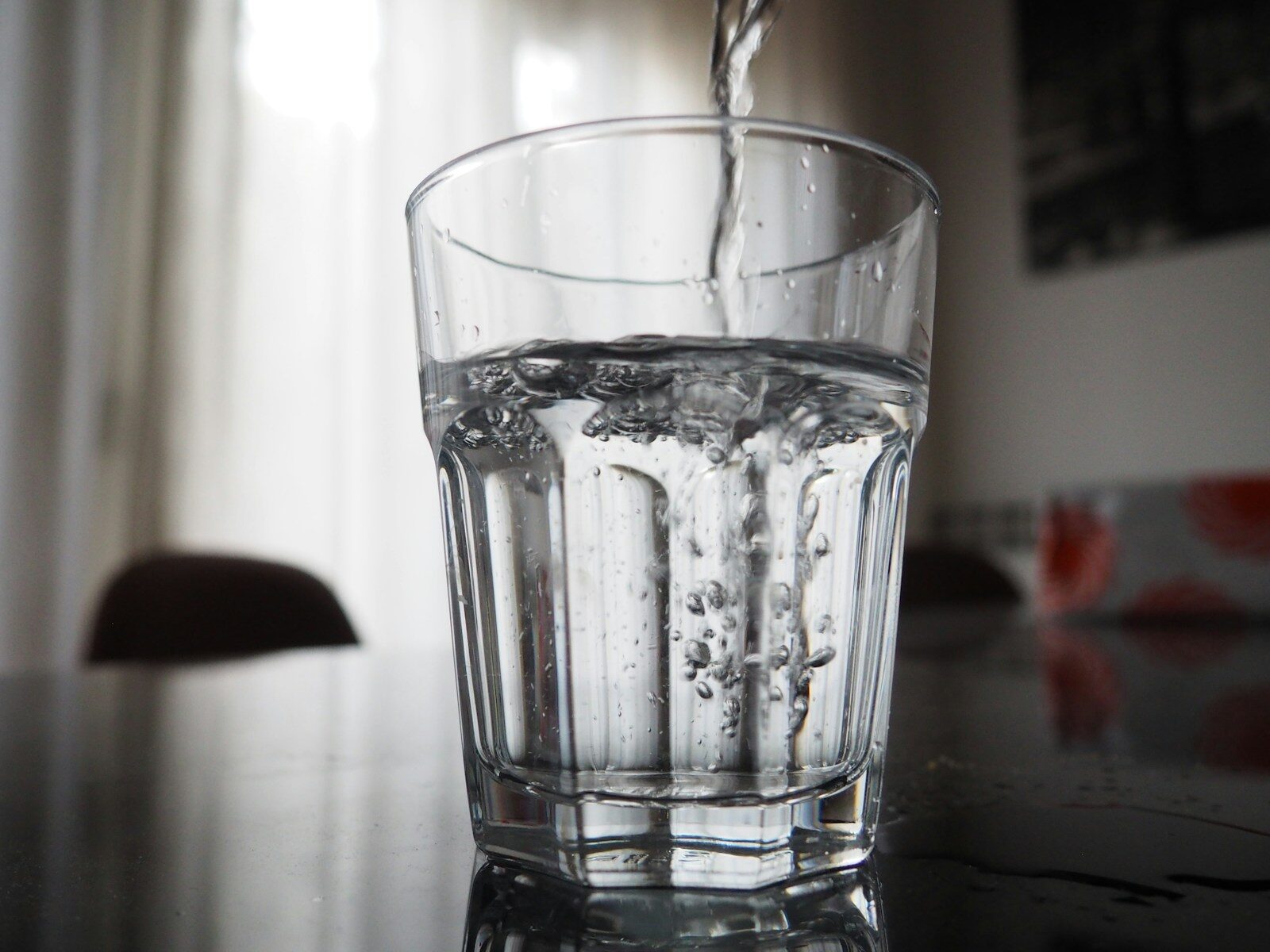
The “8×8 rule” sounds tidy: eight 8 ounce glasses of water, every day, no matter what. You hear it in fitness classes and office wellness talks, and you may even feel guilty when you fall short. The problem is that your hydration needs do not fit a fixed, one size number. They shift with your body size, activity level, diet, and even the weather.
Guidance from clinicians who treat dehydration paints a more flexible picture. Your total fluids come from water, coffee, tea, milk, juice, and the water packed into foods like strawberries or cucumbers. You can stay well hydrated on different daily totals because your kidneys constantly balance water and electrolytes instead of counting glasses. Experts point out that your own signals, such as pale yellow urine and feeling generally alert, are far better guides than a rigid target, and they highlight that chugging extreme amounts can actually dilute sodium and trigger serious problems like hyponatremia. You get a clearer sense of this tradeoff when you read about hydration myths.
For most healthy adults, sipping when you are thirsty, paying attention to urine color, and adjusting intake on very hot or very active days keeps you in a safe zone. If you have heart failure, kidney disease, or conditions that affect fluid balance, your doctor may set more specific limits that matter far more than any internet rule.
Myth 2: Being “too clean” ruins your immune system
You might hear parents say they avoid hand sanitizer because kids “need more germs” so they do not develop allergies or asthma. That idea grew from a scientific concept called the hygiene hypothesis, which suggested that less exposure to microbes early in life might change how a child’s immune system matures. Over time, though, immunologists have refined that picture in ways that do not support skipping basic hygiene.
Researchers now focus on the quality of microbial exposure, not just the quantity. Growing up around farms, animals, and diverse outdoor environments seems to shape the immune system in helpful ways, while exposure to cigarette smoke, air pollution, and certain infections can push it in the wrong direction. Clinicians who explain the hygiene hypothesis emphasize that washing your hands with soap, using vaccines, and cleaning your kitchen counters do not “weaken” your defenses. They protect you from pathogens that cause pneumonia, diarrhea, and other serious illnesses.
What you actually want is a balance. You let kids play in the backyard, visit parks, and interact with pets, while you still wash hands before meals, after the bathroom, and during outbreaks of flu or norovirus. You do not need to fear soap, and you also do not need to sterilize every inch of your home with harsh chemicals. Your immune system benefits from both reasonable cleanliness and contact with the natural world.
Myth 3: You only get concussions if you are knocked out
Sports culture has long treated loss of consciousness like the line between “you are fine” and “you are injured.” If you stay awake, coaches might tell you to shake it off, walk it off, or get back in the game. Modern concussion research has made it clear that this is dangerous advice.
A concussion is a mild traumatic brain injury that comes from your brain moving quickly inside your skull after a hit, whiplash, or blast. You can have a concussion with zero loss of consciousness. Instead, you might notice headache, dizziness, confusion, nausea, balance problems, sensitivity to light or noise, or feeling “foggy.” Those symptoms can start right away or unfold over hours, which means you might feel okay on the sideline and worse later at home.
If you return to play too soon and take another hit, you increase the risk of longer lasting symptoms and, in rare cases, life threatening brain swelling. That is why concussion protocols in youth leagues, high school football, and professional sports now focus on symptoms and cognitive testing rather than a simple yes or no about blacking out. For you, the takeaway is simple. Any significant head impact followed by changes in how you feel or think deserves rest and medical evaluation, not pressure to prove you are tough.
Myth 4: You should avoid all fever and bring your temperature down fast
Fever feels miserable. You ache, you sweat, and you may worry that the higher the number climbs, the closer you are to serious harm. That fear fuels a common belief that you must knock down any fever as soon as it appears, especially in children. In reality, fever is part of your body’s built in defense system, not an automatic emergency.
When your immune system detects viruses or bacteria, it releases signals that reset your internal thermostat. A moderate fever can slow down how quickly certain microbes replicate and can help immune cells work more efficiently. For healthy adults, temperatures up to about 102 or 103 degrees Fahrenheit usually do not damage organs by themselves. The main risk comes from the underlying illness, dehydration, or in rare cases, extremely high temperatures that approach 105 degrees Fahrenheit or higher.
Fever reducers like acetaminophen or ibuprofen help you feel better and can prevent dehydration by making it easier to drink and rest. You use them to improve comfort, not because every degree above 98.6 is dangerous. In children, you watch behavior as closely as the thermometer. A child who is drinking, peeing, and interacting, even if hot and cranky, is very different from a child who is listless, struggling to breathe, or not keeping fluids down. Those red flags, or any fever in an infant under three months, call for prompt medical care regardless of the exact temperature.
Myth 5: Cracking your knuckles will give you arthritis
Knuckle cracking has annoyed parents and teachers for generations, and the threat usually comes quickly: “Stop that or you will get arthritis.” The sound is so sharp that it feels like something must be grinding or tearing inside the joint. What actually happens is far less dramatic.
Your joints contain synovial fluid, which cushions cartilage and helps everything glide. When you pull or bend a joint, you change the pressure inside that space. Dissolved gases form bubbles that collapse and create the popping sound. Imaging studies that track this process show no evidence that routine knuckle cracking wears down cartilage or causes inflammation in the way that osteoarthritis does.
Long term observational research has compared people who crack their knuckles with those who do not and has not found higher rates of hand arthritis in the poppers. Some studies did note slightly more hand swelling or reduced grip strength in heavy knuckle crackers, although the differences were small. So if the habit bothers people around you, you might curb it out of courtesy. You do not need to fear that every pop is a step toward joint replacement.


