
6 Things People Believed 100 Years Ago That Are Hard to Defend Today
You’ll confront beliefs that once shaped medicine, social order, and everyday choices — ideas people accepted without much skepticism. Expect clear examples that show how scientific claims, health advice, and social theories from a century ago now fail basic scrutiny and ethical standards.
As you move through the list, you’ll see why practices from skull-reading to public-health ads seem baffling today, and how some now-discredited views caused real harm. Follow links to contemporary summaries and historical overviews that illuminate each point as you go.
Phrenology’s skull-reading claims
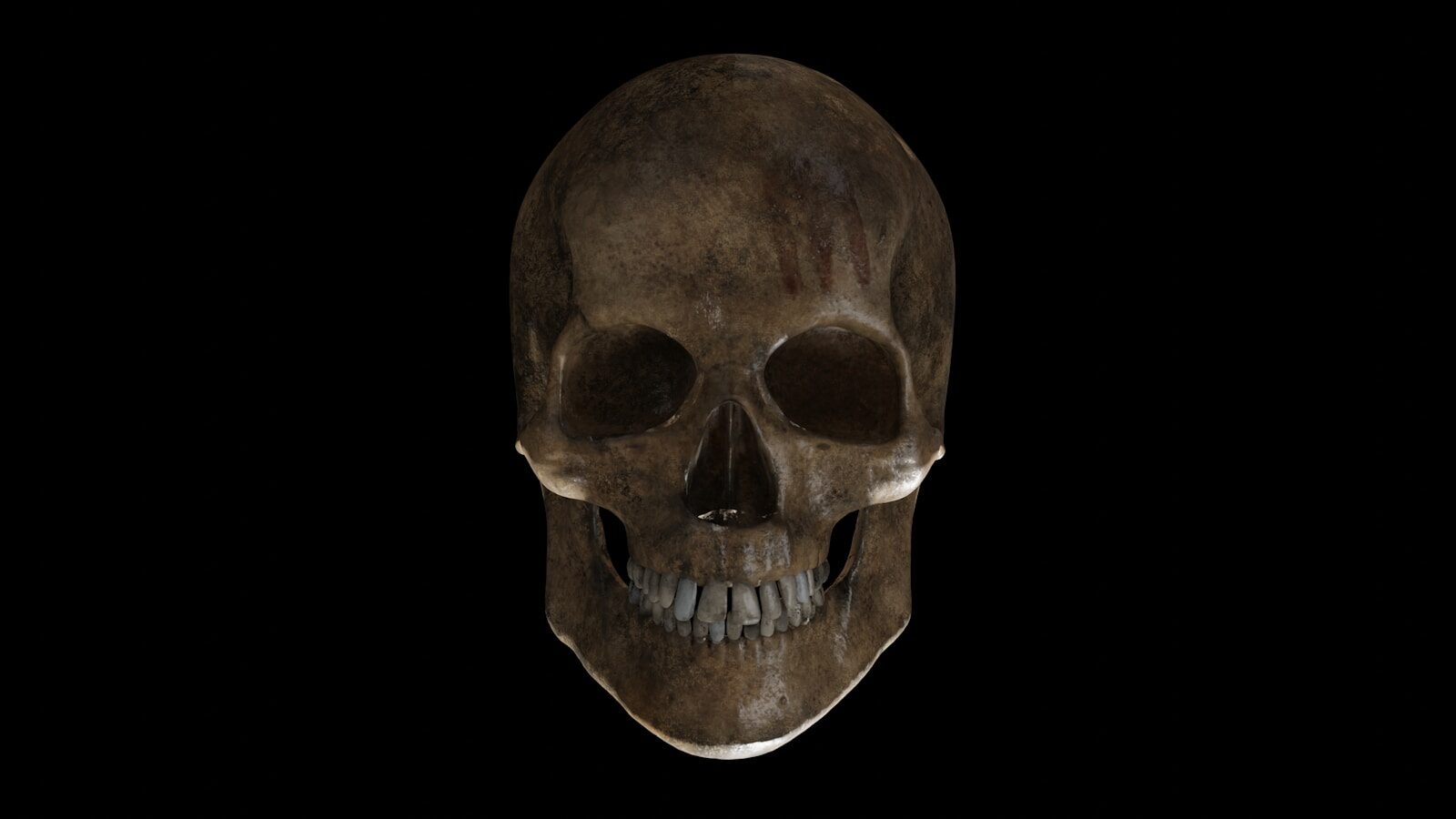
You might have seen 19th-century practitioners feel heads and point to bumps as if they revealed character. Phrenology claimed skull shape mapped mental faculties, but later research discredited that link.
You may find it surprising that this idea influenced courts and careers for decades. Modern neuroscience shows brain function depends on tissue, not external skull contours, so the old readings lack scientific basis.
Learn more about phrenology’s history and fall from favor in this overview of the field’s claims and errors (Britannica).
Bloodletting as the go-to medical cure
You would have expected bleeding to fix almost any ailment a century ago; physicians thought draining blood restored balance. Practitioners ranged from skilled doctors to barber-surgeons who used blades and leeches.
You might find it startling that cultures worldwide used the practice for millennia, from ancient Egypt to 19th-century Europe. Read a concise history of bloodletting’s role in medicine.
Today you know bloodletting survives only in narrow treatments, such as for certain iron-overload conditions. Modern medicine replaced it with evidence-based therapies.
Using leeches to treat general illness
You likely grew up hearing that doctors once used leeches for almost anything, from fevers to headaches. Victorian-era “leech mania” led to millions used annually in some cities, a practice now seen as excessive and often harmful.
Today leeches retain a narrow role in microsurgery and reconstructive care because their saliva contains useful anticoagulants, but that doesn’t justify their historical, broad use. Read about the Victorian craze and modern medical context at the Britannica article on leeching.
Belief that witches cause unexplained misfortune
A century ago you might have blamed a bad harvest or sudden illness on a nearby “witch.” That belief offered a simple explanation for random suffering and helped communities assign blame quickly.
You now know such accusations often targeted the vulnerable and worsened social tensions. Modern studies show witchcraft beliefs function as social explanations, not empirical causes, and led to tragic outcomes in many places (see the overview of witch trials in the 21st century).
Smoking for health and weight control (early 20th-century ads)
You once saw cigarette ads showing doctors and thin celebrities recommending smoking as healthy and slimming. Those campaigns framed cigarettes as a solution to coughs, sore throats, and dieting, tapping into medical authority and body-image concerns.
Advertising treated smoking as normal family life and even used female celebrities to suggest cigarettes helped with weight control. Museums and archives document how widespread and persuasive those messages became.
See historical examples of doctors in cigarette ads at the History Channel and explore advertising tactics in the tobacco marketing overview.
Racial hierarchy theories as scientific fact
You may encounter claims from a century ago that races are fixed biological categories that determine ability and worth. Those ideas were promoted as science but rested on flawed methods like craniometry and biased interpretation, as explained in the Britannica overview of scientific racism.
You should know eugenics tried to make “improvement” seem scientific, yet it ignored ethics and genetic reality; the National Human Genome Research Institute outlines how eugenics distorted genetics. These beliefs shaped policies and hurt people, despite lacking sound evidence.