6 Everyday Objects Hiding Surprisingly Clever Science
You move through your day surrounded by objects that feel simple, even boring. Yet behind many of them sits careful engineering, oddball experiments, and a surprising amount of physics and psychology. Once you start to notice the hidden design choices, your home and office begin to look like a quiet science museum.
Below are six everyday things you probably used this week that rely on much smarter science than they let on.
1. Your toothbrush and the fluid-dynamics of plaque
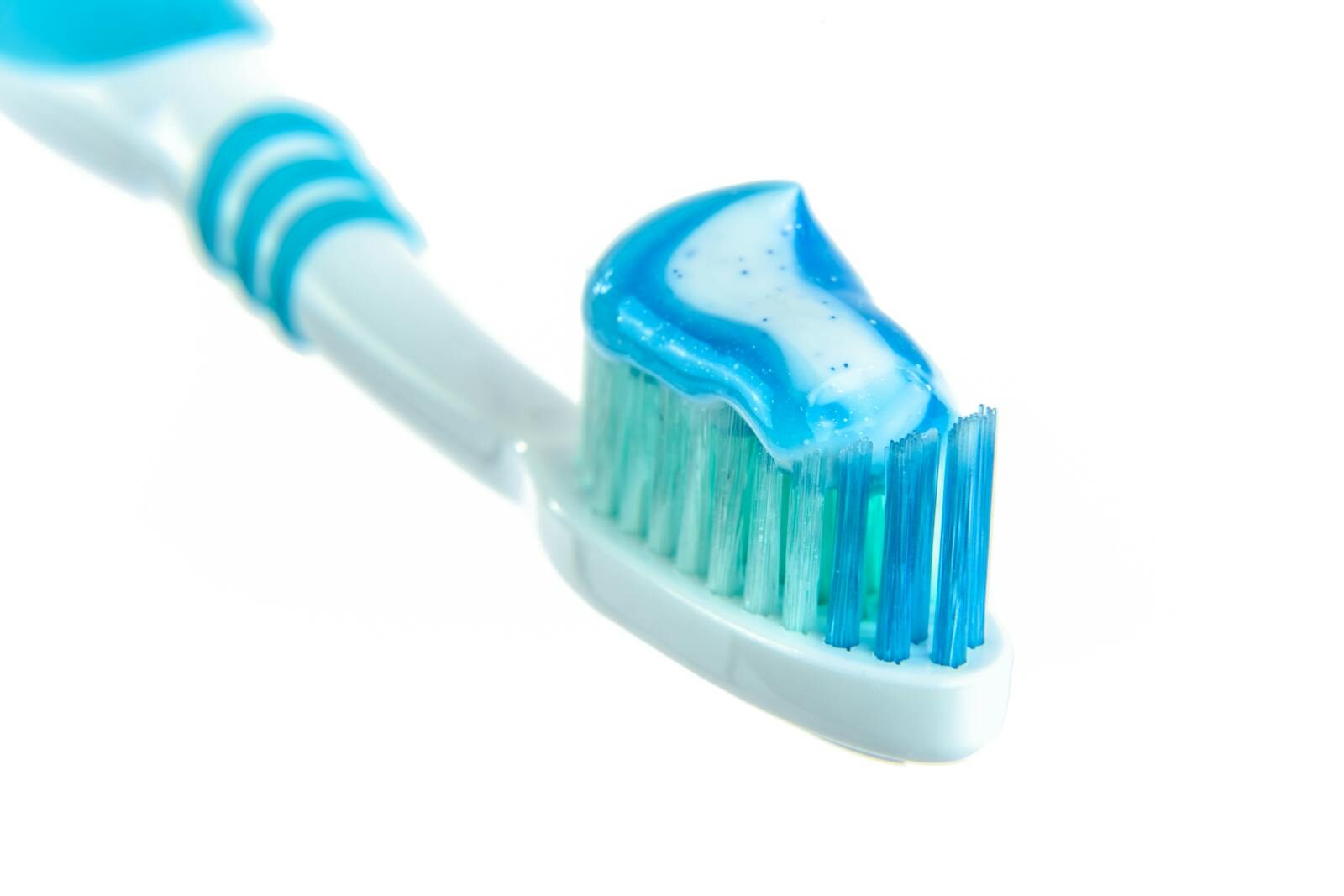
When you brush your teeth, you are not just scraping gunk off enamel. You are running a tiny fluid-dynamics experiment twice a day. Modern toothbrush bristles are spaced and angled so that toothpaste and saliva can flow between them, carrying away loosened plaque instead of just smearing it around.
Electric brushes add another layer. Their oscillations create microscopic pressure waves in the fluid film around your teeth. Those waves help dislodge bacteria in places the bristles never quite reach, like the narrow gaps between teeth. That is why your mouth can feel cleaner even when you barely press the brush against your gums.
Designers also lean on behavioral science. The slightly rubbery grip on many handles keeps your fingers from slipping when they are wet, which encourages you to keep brushing for the full two minutes instead of quitting early. The color-fading bristles that signal when to replace the brush come from materials research into dyes that break down at a predictable rate with water and friction.
2. The humble zipper and mechanical reliability
You probably zip and unzip clothing, bags, and cases dozens of times a week without thinking about the tiny machine in your hand. Each tooth in a zipper is shaped so that when the slider pulls them together, they interlock in a repeating pattern that distributes stress along the whole chain instead of at a single point.
That geometry is why a good zipper can survive years of yanking and tugging. The slider itself is a clever wedge that guides teeth into place with very little force. You provide the pull, but the metal or plastic does the alignment work for you. Even the spacing between teeth is tuned so the chain bends smoothly around curves without popping open.
Manufacturers test zippers with thousands of open-close cycles under tension, heat, and moisture. They look for failure points where teeth deform or fabric tape frays. The result is that you can trust a jacket zipper to stay closed during a run or a backpack zipper to hold under a heavy load without thinking about the physics of friction and stress that make it possible.
3. Coffee mugs and heat transfer
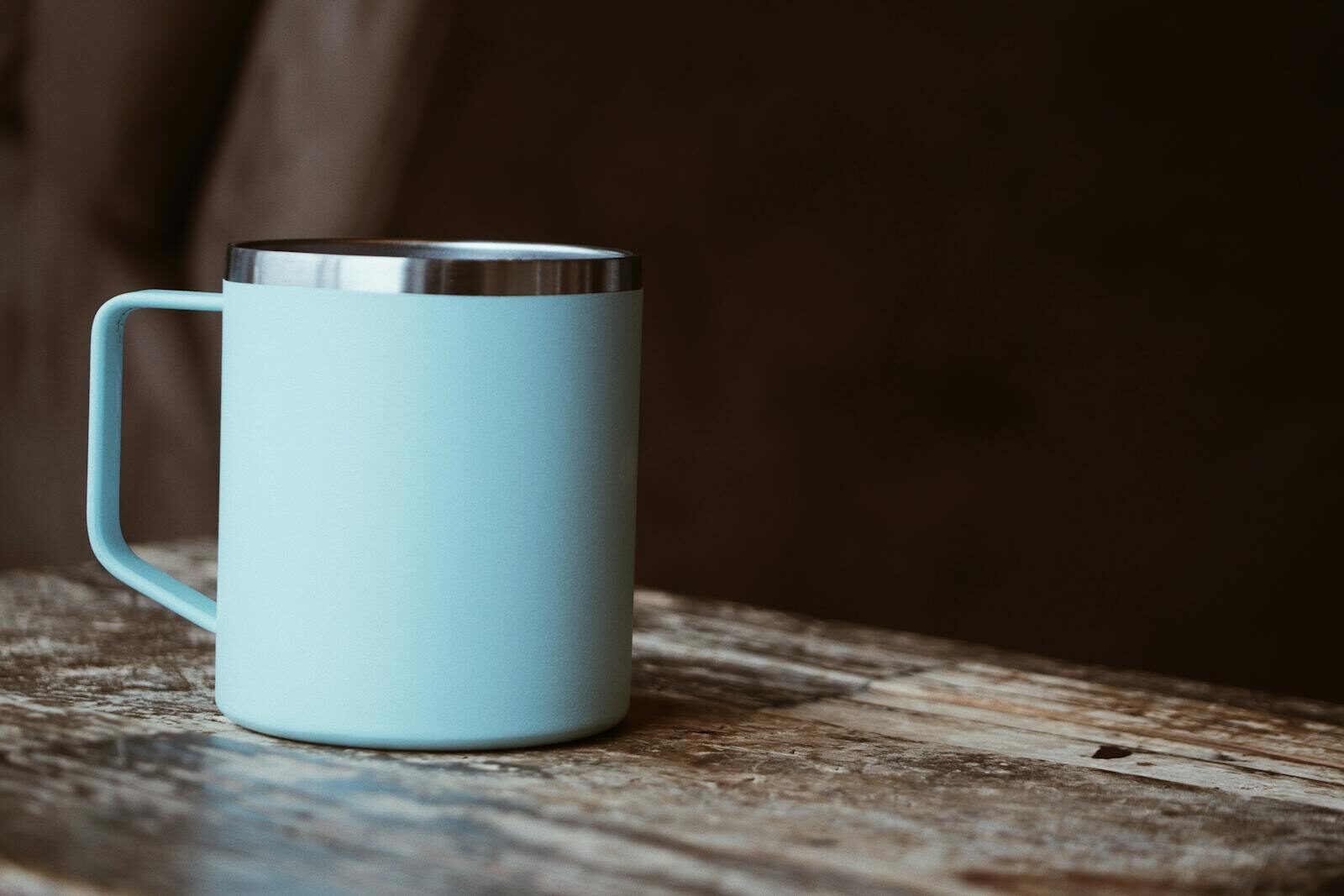
That morning mug is a quiet lesson in thermodynamics. Ceramic mugs are popular because the material has relatively low thermal conductivity. Heat from the coffee moves slowly through the walls, so your drink stays warm longer while the outside remains comfortable to touch.
The thickness of the mug matters too. A thicker wall means a longer path for heat to travel from the liquid to the air. Double-walled glass or stainless-steel tumblers push this idea further. The trapped air or vacuum between walls acts as insulation, which slows heat loss and keeps your drink hot or cold for hours.
Even the shape of the mug affects your coffee. A wider opening exposes more surface area, which speeds evaporation and cooling. A taller, narrower design reduces that area and keeps aromas concentrated near your nose, which changes how you perceive flavor. What feels like a simple style choice is really a set of small physics and sensory tradeoffs.
4. Smartphone screens and controlled breakage
When you swipe across your phone, you are touching a sandwich of materials that had to be engineered to balance clarity, strength, and responsiveness. The glass on top is often chemically strengthened. Manufacturers soak it in a molten salt bath so larger potassium ions replace smaller sodium ions in the surface layer. That ion swap puts the outer layer into compression, which helps the glass resist scratches and small impacts.
Under that glass sits a grid of transparent conductors that track your finger. In capacitive touchscreens, your body slightly changes the electric field at the surface. The phone measures those changes to pinpoint where you are touching. You experience a smooth swipe; underneath, the device is running constant high-speed measurements and calculations.
Even the way screens crack involves science. Many are designed to absorb energy in the glass so that, during a bad drop, the glass shatters while protecting the more expensive layers below. That is why a screen protector can save you from a costly repair. It adds another sacrificial layer that absorbs some of the impact before it reaches the main glass.
5. Kitchen sponges and microbial research
Your kitchen sponge looks like a simple block of foam, yet it sits at the center of some surprisingly detailed research into hygiene and materials. The porous structure is tuned so it can soak up many times its weight in water. Capillary action pulls liquid into the tiny holes, then squeezing the sponge forces that liquid back out, which lets you move soapy water and rinse it away with little effort.
That same porous design creates a perfect habitat for microbes, which is why scientists have studied how bacteria spread inside sponges. Some experiments have even used artificially structured sponges to explore how different species compete in crowded, patchy environments. Research on these kinds of quirky questions, including several of the more specific studies, often ends up guiding better hygiene advice and product design.
Manufacturers now mix in antimicrobial treatments or design scrubby layers that dry faster, which reduces the time surfaces stay damp. You see the outcome in small details like textured sides that let more air reach the sponge or color cues that remind you to replace it after a certain amount of use. Behind those choices sit lab tests that track how quickly bacteria grow under different conditions.
6. Sticky notes and precision chemistry
That little square of paper on your monitor looks almost too basic to be clever, yet it depends on a very specific kind of adhesive. The glue on a sticky note is made of tiny microspheres that only touch the surface at small points. Each point sticks lightly, but there are many of them, so the note holds in place. Because the contact is partial, you can peel the note away without tearing paper fibers or leaving residue.
Developing that adhesive took a lot of trial and error. Chemists had to balance tackiness, peel strength, and reusability. Too strong, and the note would rip or damage surfaces. Too weak, and it would fall off the moment the air conditioner kicked on. The final formula lets you move the same note from a notebook to a wall and back several times before it loses grip.
Even the paper is part of the system. It needs enough stiffness to stay flat while hanging from one edge, but not so much that it curls when you press it down. The slightly rough surface accepts pencil, pen, and marker without smearing. Every time you slap a note on your desk, you are using a carefully tuned combination of chemistry and materials science.
Hidden curiosities
Across these objects, you can see a pattern. Engineers and scientists quietly refine everyday tools based on lab data, user behavior, and sometimes very odd experiments. Materials like strengthened glass, specialized polymers, and advanced ceramics move from research labs into your pocket, your bathroom, and your kitchen sink.
What feels like ordinary life is built on choices about friction, fluid flow, heat transfer, and microbial growth. You rarely see the studies or prototypes behind those choices, yet you rely on the results every time you zip a jacket, sip coffee, or peel a sticky note off a wall.


