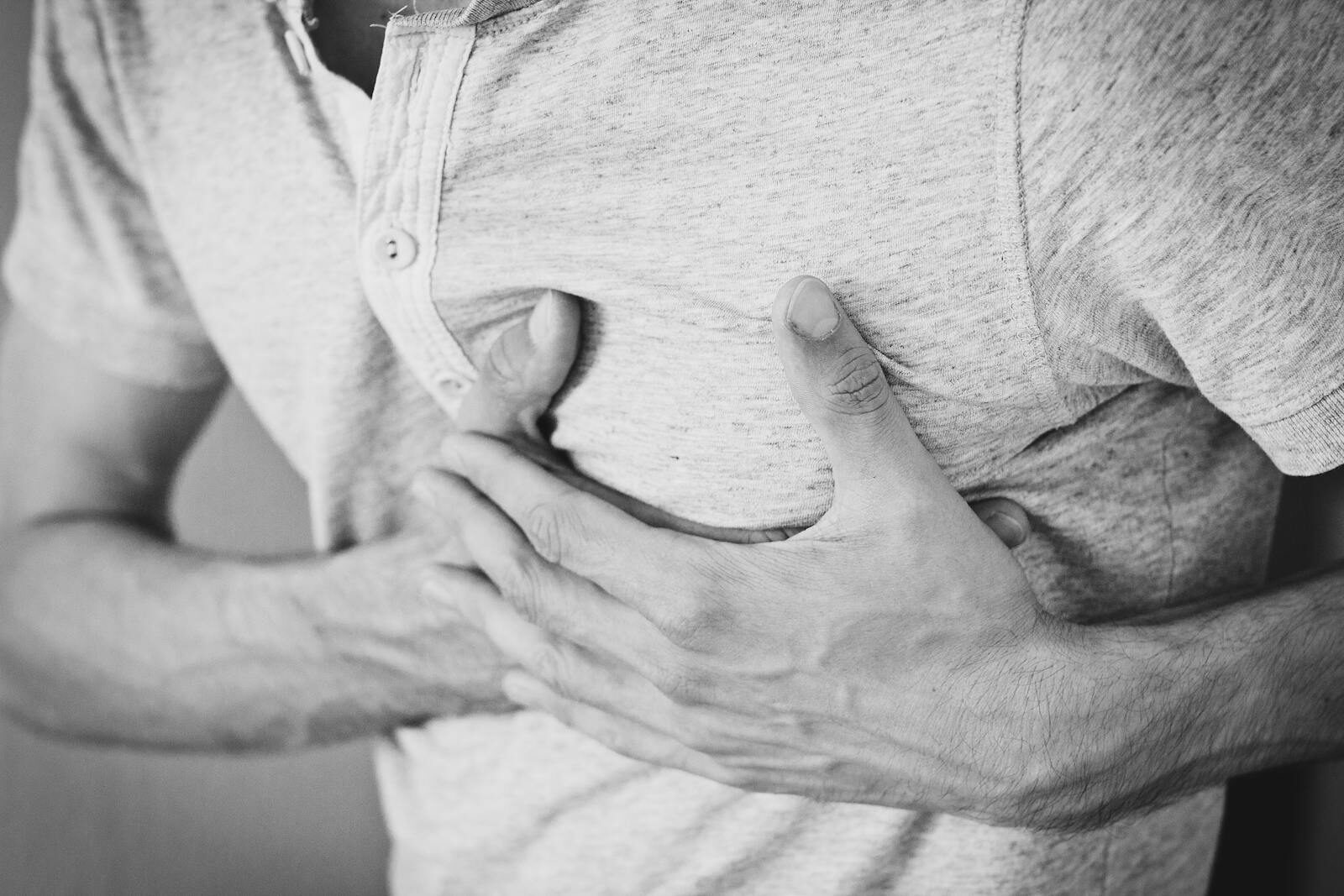
4 Weird Things Your Body Does to Keep You Alive
Your body may look calm on the outside, but inside it is running a nonstop survival operation. Hormones surge, blood vessels tighten and relax, and even your bones quietly remodel themselves so you can keep standing upright on a spinning planet. Some of those tricks feel strange or even a little creepy, yet they are exactly what keep you alive when life gets rough.
Below are four of the oddest protective routines your body runs in the background, what is actually happening, and how you can work with them instead of against them.
1. Your “time warp” in danger
When you slam the brakes to avoid a crash or nearly slip down the stairs, it can feel as if the world suddenly moves in slow motion. You are not turning into a superhero. Your brain is flooding your system with stress hormones and sharpening your attention so you can react fast.
In a genuine life or death moment, your body pushes out a surge of adrenaline and noradrenaline. Heart rate jumps, breathing speeds up, and blood is redirected toward your muscles so you can run or fight. At the same time, your brain cranks up how many details it records per second. Later, that dense memory makes the event feel stretched out, as if time itself slowed. Reporting on extreme emergencies and near misses shows how often people describe this same distortion, along with tunnel vision and strange calm, when their lives are at risk, which matches how your nervous system behaves under intense threat.
Your senses also reshuffle their priorities. Hearing may fade while your eyes lock on the source of danger. Pain can disappear in the moment, because your brain temporarily turns down pain signals so you can keep moving. Only once the crisis passes do you feel the bruises or cuts you picked up.
You cannot stop this survival program from kicking in, but you can train how you use it. First responders and pilots rehearse emergency checklists until they become automatic. When stress hits, that practice gives their racing brains something solid to grab. You can borrow a lighter version of that idea by walking through “if, then” plans for situations that worry you, like, “If my car hydroplanes, then I gently steer where I want to go and ease off the gas.” The goal is not to erase fear, but to give your wired-up brain a script to follow.
2. Your bones quietly rebel in low gravity
If you could float around the International Space Station for a year, you would feel gloriously light. Inside, though, your skeleton would be falling apart. Your bones are used to fighting gravity, and when that pull disappears, they start to thin and weaken at an alarming pace.
On long missions, astronauts lose measurable bone density in their hips and legs, because their bodies no longer need to support body weight. Without constant mechanical stress, the cells that break down bone outwork the cells that build it. Research on extended stays in orbit has tracked how months in microgravity can leave returning crew members with bones that look years older, forcing them into long rehabilitation just to walk comfortably again, as shown by studies of long-term spaceflight.
Fluids in your body also shift toward your head in space, which can change vision and pressure inside your skull. Astronauts report puffy faces, stuffy noses, and eye problems linked to these fluid shifts. Experiments on how microgravity affects circulation and the heart highlight how deeply your organs depend on gravity to keep blood and other fluids moving in the right directions.
To fight back, space agencies treat exercise as medicine. Astronauts spend hours every day on specialized treadmills, stationary bikes, and resistance machines that strap them in so they can simulate weight-bearing workouts. Ground teams track their bone density and muscle mass to see how well those workouts protect them, as described in investigations into microgravity effects. You will probably never lift weights in orbit, but the lesson applies on Earth too. When you sit most of the day, your bones and muscles get a similar message that they are not needed. Regular strength training and simple weight-bearing moves like brisk walking keep that “use it or lose it” signal pointed in your favor.
3. Your senses glitch under extreme stress
In a real emergency, your body does not care about giving you a perfectly accurate picture of reality. It cares about keeping you alive. That means your senses can behave in ways that feel bizarre.
People who survive serious accidents often describe hearing fading into the background or dropping out completely. Others say sounds become painfully sharp, like glass shattering inside their ears. Vision can narrow into a tunnel that locks onto the threat, or it can fragment into disjointed snapshots. Under heavy stress, your brain filters incoming information so aggressively that some channels get turned down while others are amplified.
Accounts from shootings, car crashes, and other close calls show how your perception can swing between slow motion, fast-forward, and total blanks. Some survivors remember tiny details, like the pattern on a floor mat, but not the sequence of events that followed. These sensory glitches match what you would expect when stress hormones are surging and your brain is trying to prioritize survival above everything else, as illustrated by documented life-or-death reactions.
Your body also pulls blood away from your skin and toward your core organs during a crisis. That shift can leave you pale and cold while your heart pounds. In extreme cases, blood flow in your hands and feet drops so much that your fingers feel numb. All of this helps protect your heart and brain if you are injured, but it can make you feel strangely detached from your own body in the moment.
Afterward, you may replay the event and feel confused that your memory does not line up with other people’s stories. That mismatch does not mean you are lying or broken. It means your brain was editing reality on the fly to keep you alive. If you have been through something traumatic and your senses still feel off, talking with a clinician who understands trauma physiology can help you sort out what happened and why your body responded the way it did.
4. Your aging body rewires for survival, not vanity
As you move through your 40s, 50s, and beyond, you might feel betrayed by your own body. Recovery takes longer, your balance is less reliable, and you cannot pull all-nighters the way you once did. Under the surface, though, your body is still trying to protect you. It is just working off a different priority list than your mirror.
With age, your muscles naturally shrink and your bones lose density. Hormonal changes nudge your body to store more fat around your midsection and less under your skin. That shift can raise your risk of heart disease and diabetes, but it also reflects an ancient survival strategy that favored energy storage in case of famine. Modern life rarely demands that you survive a winter on stored calories, yet your biology is still wired for that possibility. Guidance for people in their 50s emphasizes how much targeted strength work and daily movement can counter those trends and protect your heart, joints, and brain, as highlighted in advice on healthy aging.
Sleep changes as well. You may wake up earlier or struggle to stay asleep. Part of that shift comes from alterations in your internal clock and hormone levels. Short, choppy sleep is not just annoying. It can raise blood pressure, increase inflammation, and make it harder to regulate blood sugar. Your body is trying to balance alertness with rest, but the trade-offs grow more delicate with age.