6 Lost Manners People Secretly Miss
Etiquette gets a bad reputation, and some of it is deserved. Plenty of old manners were really just social gatekeeping — arbitrary rules designed to separate people who knew the code from people who didn’t, with no function beyond signaling class. Those are worth losing, and mostly we have. But tucked in among the snobbery were a handful of small courtesies that did genuine work: they made other people feel considered, reduced friction, and signaled that you took the relationship seriously enough to spend a little effort on it. Those are the ones people tend to miss, often without quite being able to say why.
What follows isn’t a scolding about how things used to be better. It’s a look at six fading courtesies that served a real purpose — the kind of small gestures that, when they disappear, leave a gap people feel even if they can’t name it.
Actually Responding to an Invitation
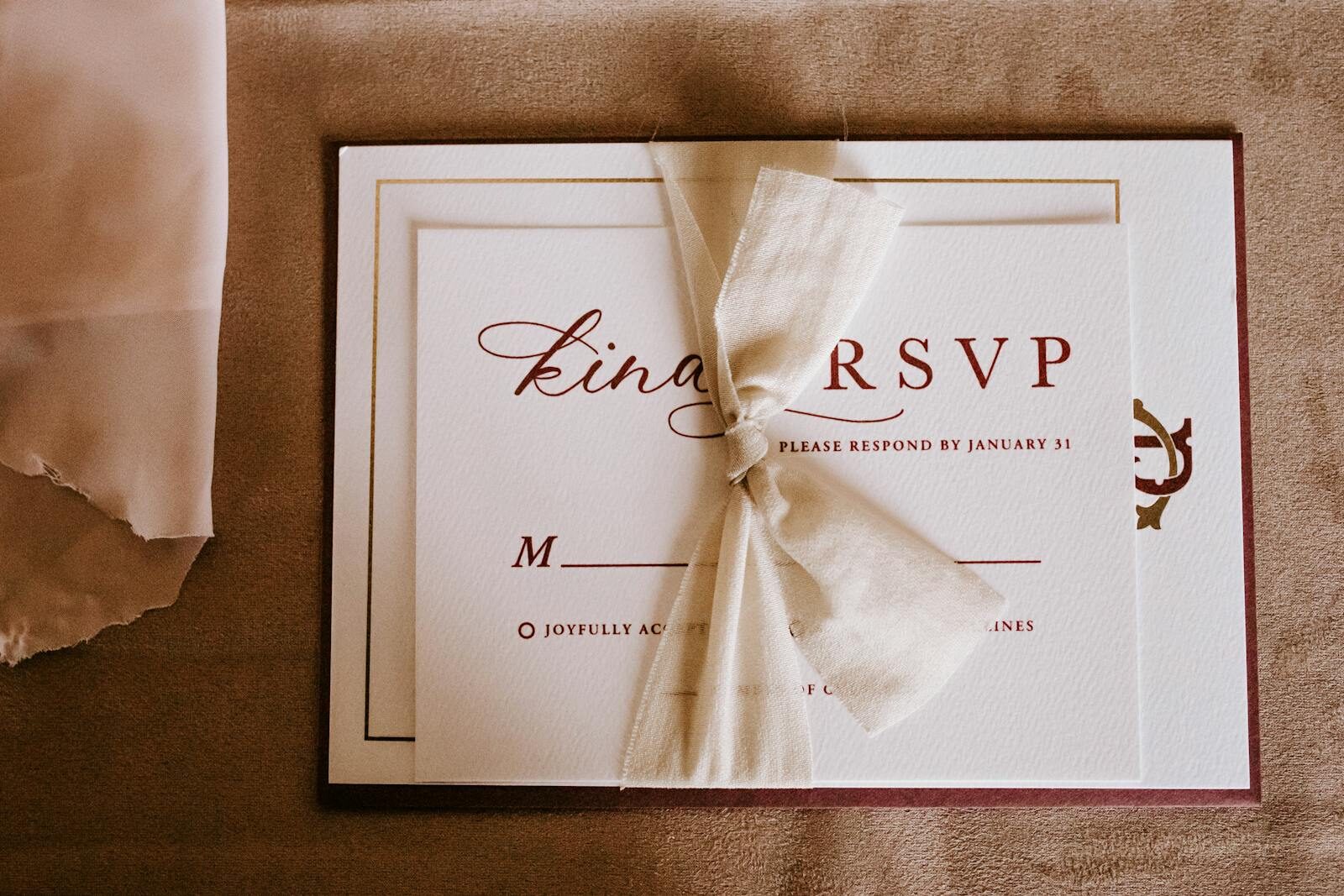
The letters “RSVP” come from the French répondez s’il vous plaît — “please reply” — and for generations they carried a clear, binding meaning: the host needs to know whether you’re coming, so tell them, promptly. The Emily Post Institute advises replying within a day or two of receiving an invitation, and by the stated deadline at the very latest. Declining was perfectly acceptable; simply not answering was not.
This particular courtesy has eroded badly, and the reason people miss it isn’t sentimental — it’s practical. A host throwing a party has to buy food, plan seating, and budget time and money around how many people are actually coming. Every guest who doesn’t reply, or who waits until the last minute, or who says yes and then quietly doesn’t show, makes that planning harder and more expensive. The casual invitation, often fired off by group text or social media, has made non-response feel low-stakes. But the cost didn’t disappear; it just shifted entirely onto the host.
The reason a clear, prompt RSVP felt like good manners is that it acknowledged a simple truth: someone went to trouble on your behalf, and the least you owe them is a straight answer they can plan around. That logic hasn’t aged a day. It’s the technology and the casualness that changed, not the underlying consideration the courtesy was built to express.
The Handwritten Thank-You Note
There was a time when receiving a gift, staying as someone’s houseguest, or being treated to a meal created a clear obligation: you sat down with stationery and wrote a thank-you note by hand, ideally within a day or two. The note didn’t need to be long. It needed to be specific, sincere, and in your own handwriting, dropped in the mail to arrive a few days later.
The handwritten note carried weight that a quick text genuinely can’t replicate, and the difference is structural rather than nostalgic. A text takes seconds and costs nothing; a written note takes real time and deliberate effort, and that effort is precisely the message. The recipient holds physical proof that you stopped, sat down, chose words, and sent them through the mail. Many people save these cards for years, which is something nobody does with a text. The medium itself communicates that the relationship was worth the trouble.
This is one almost everyone agrees they miss — including the people who no longer write them. Etiquette authorities have softened on the timing and even allowed that a quick text of immediate thanks is fine, but the consensus holds that it should be followed by a real note. The handwritten thank-you survives precisely because what it does — convert gratitude into visible, durable effort — has no true digital substitute. We didn’t replace it with something better. We mostly just stopped, and felt the absence.
Introducing People to Each Other
Walk into a group with a friend who knows everyone, and watch what happens. In an earlier era of manners, your friend would have immediately introduced you around — “This is Sarah, she just moved here from Denver; Sarah, this is Mike, he runs the bakery on Fifth” — giving each person a name and a small hook to start a conversation. The proper introduction was considered one of the basic obligations of a good host or a considerate friend.
This courtesy has quietly faded into a culture where people often mumble names, skip the introduction entirely, or leave a newcomer standing silently on the edge of a group while everyone else talks. And almost everyone has been on the receiving end of that particular small misery — the awkward limbo of being unintroduced, unsure whether to insert yourself or just hover.
The reason the old rule existed is that a good introduction does real social work. It hands both people a name they’d otherwise have to awkwardly ask for, supplies a detail or two that gives them somewhere to start, and signals that everyone present belongs there. Etiquette writers point out that even when you’ve forgotten someone’s name, the gracious move is to admit it and ask rather than let them stand there ignored. The whole point of the courtesy was making others comfortable — and the discomfort of its absence is exactly why people miss it.
Giving the Whole Table Your Attention
Old dining etiquette was thick with rules, many of them pure fussiness — which fork, which way to pass, elbows on or off. But underneath the fussy parts sat a simple principle that people genuinely miss: when you sat down to eat with others, the meal and the company got your full attention. You waited until everyone was served before starting. You stayed engaged with the people at the table. The shared meal was treated as a social occasion worth a certain baseline of presence, not a refueling stop.
The thing that has eroded this isn’t a decline in manners so much as the arrival of the smartphone at the table — the glance down at a buzzing screen, the half-attention split between the person across from you and the feed in your lap. Most people can feel the difference between dining with someone who’s fully present and someone who keeps checking their phone, and most people, honestly, dislike being on either side of it.
The old courtesy of table attention worked because a shared meal is one of the few reliable occasions when people actually face each other and talk. Protecting that — by treating the time at the table as belonging to the people at the table — was a way of saying the company mattered more than whatever else was competing for your attention. That’s the part people miss: not the fork rules, but the simple experience of having someone’s undivided presence over a meal.
Calling Older People by a Title
For generations, a child would no sooner have called a friend’s father “Dave” than flown to the moon. It was “Mr. Henderson” and “Mrs. Davis,” automatically, until and unless explicitly invited to do otherwise. The same deference extended to teachers, elders, and authority figures generally, marked by “sir” and “ma’am” in many regions and households.
This one is genuinely contested, and reasonable people land in different places on it. Critics make a fair point that some of the old formality propped up rigid hierarchies that didn’t deserve the reinforcement, and that you can respect someone enormously while still being on a first-name basis with them. The wholesale shift toward casual address has dismantled some hierarchies that were arbitrary to begin with.
But the people who miss the old form aren’t usually pining for hierarchy. They miss the way a title marked a small, automatic acknowledgment that someone was older, or in a position of responsibility, or simply owed a bit of baseline respect until you knew each other better. The honorific was a tiny ritual of deference that cost the speaker nothing and gave the other person a small, clear signal of regard. Where it survives — in parts of the South, in many immigrant households, in the military — people often describe it warmly, as a courtesy that makes respect explicit rather than leaving it assumed.
Writing Real Letters
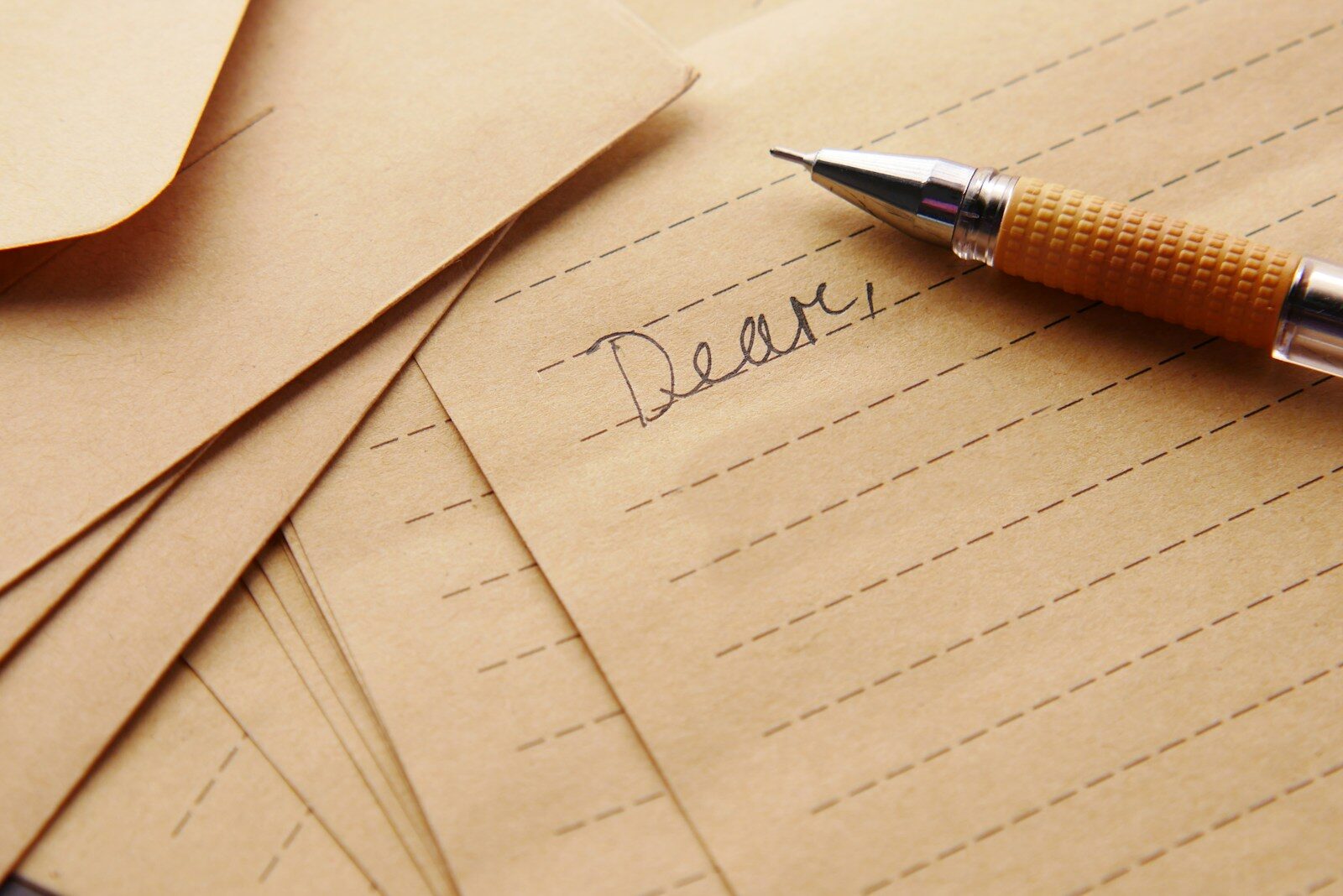
Before the inbox and the text thread, staying in touch with someone far away meant writing them a letter — sitting down with paper and a pen, composing your news and thoughts at length, and mailing it off to arrive days later, after which you’d wait days more for a reply. Correspondence was slow, deliberate, and substantial. A letter might run several pages and take a week to land.
What people miss about the letter isn’t the slowness for its own sake — email is faster and that’s genuinely good. It’s what the slowness produced. Because a letter took real effort and couldn’t be dashed off in seconds, it tended to carry more: more reflection, more detail, more of the writer’s actual interior life than a quick message ever does. And because it was physical, it lasted. People still find shoeboxes of old letters in closets and read them decades later; the correspondence of a relationship became a tangible archive of it. Nobody saves their text threads in a keepsake box.
The handwritten letter, like the thank-you note it’s related to, converted care into durable effort — and that’s the quality people feel the loss of. A long letter said, by its very existence, that the recipient was worth an hour of focused attention and a stamp. The speed and convenience we gained in exchange are real and worth having. But the trade wasn’t free, and the thing we traded away is exactly the thing people mean when they say, a little wistfully, that nobody writes letters anymore.
What ties these six together is that none of them was really about the form — the fork, the French abbreviation, the stationery, the honorific. Each was a small, slightly effortful way of signaling to another person that you took them seriously enough to bother. That’s why their absence registers as a faint loss even to people who’d never want the stiff, gatekeeping parts of old etiquette back. The courtesies people secretly miss are the ones where the effort was the entire point — where doing a little more than strictly necessary was how you showed someone they mattered. That gesture never goes out of style. We’ve just made it optional, and discovered we sometimes miss being asked to make it.