4 Accidental Discoveries That Changed the World
You might like to imagine history as a tidy sequence of planned breakthroughs. Then you run into the stories that show how often the world changes because someone trips over a problem, skips a step, or leaves a petri dish in the wrong place. These five chance discoveries reveal how curiosity in the middle of a mistake can reshape medicine, technology, and even your weekly shopping list.
As you move through them, a pattern emerges that matters for your own work and ideas. Serendipity only becomes progress when you notice something odd, resist the urge to discard it, and ask one more question than everyone else in the room.
1. Penicillin: The petri dish that rewrote medicine
What happened
In 1928, bacteriologist Alexander Fleming returned from a holiday to find that one of his Staphylococcus culture plates had been contaminated with mold. Instead of tossing the spoiled plate, he noticed a clear halo where bacteria refused to grow around the mold colony. By isolating the substance the mold produced, he identified penicillin, the first true antibiotic, which came from the fungus Penicillium notatum. Later work by Howard Florey, Ernst Chain, and their colleagues turned this lab curiosity into a drug that could be produced at scale and used in hospitals worldwide, as detailed in reports on the accidental discovery of penicillin.
Why it matters
Before penicillin, a cut on your hand or a sore throat could spiral into deadly sepsis. Once the drug reached clinics, it transformed the survival odds for pneumonia, wound infections, and syphilis, and it dramatically reduced deaths among soldiers with battlefield injuries. You live in a world where routine surgeries, organ transplants, and chemotherapy all rely on antibiotics that trace their lineage back to that moldy dish. The story also warns you that the same ingenuity that created antibiotics must now confront resistance, since overuse has helped some bacteria evolve defenses against the drugs that once easily killed them.
What to watch next
As resistance spreads, researchers are revisiting the original Penicillium strains and searching soil, oceans, and even insect microbiomes for new antibiotic compounds. You can expect more interest in bacteriophages and narrow spectrum drugs that target specific pathogens rather than wiping out broad swaths of bacteria. The next big step might again come from someone who notices an odd empty ring on a culture plate and decides to investigate instead of cleaning it away.
2. X-rays: A glowing screen and the invisible skeleton
What happened
In 1895, German physicist Wilhelm Conrad Röntgen was experimenting with cathode rays in a darkened lab when he noticed a nearby fluorescent screen glowing even though it was shielded. Curious about this mysterious radiation, he tested it on photographic plates and then on his wife’s hand, capturing the now famous image of her bones and wedding ring. He had stumbled onto X-rays, a form of high energy electromagnetic radiation that can pass through soft tissue while being absorbed by denser materials like bone, a story detailed in accounts of how a physicist’s accidental discovery revealed the hidden world inside the body.
Why it matters
Within months, hospitals were using X-rays to locate bullets, diagnose fractures, and study lung disease. You now rely on this discovery every time you see a dental X-ray, a mammogram, or a CT scan. The same physics that let Röntgen see his wife’s bones also powers airport security scanners and industrial inspections of aircraft parts. That first ghostly handprint opened an entire field of diagnostic imaging that helps doctors catch problems earlier and treat them with far more precision.
What to watch next
Modern imaging builds on X-rays with digital detectors, contrast agents, and algorithms that sharpen images while reducing radiation dose. You are starting to see AI tools that read scans to flag subtle anomalies and help radiologists prioritize urgent cases. Future breakthroughs may come from new detector materials and portable devices that bring high quality imaging to rural clinics and disaster zones, where you currently have limited access to advanced scanners.
3. Microwave ovens: A melted candy bar and a new way to cook
What happened
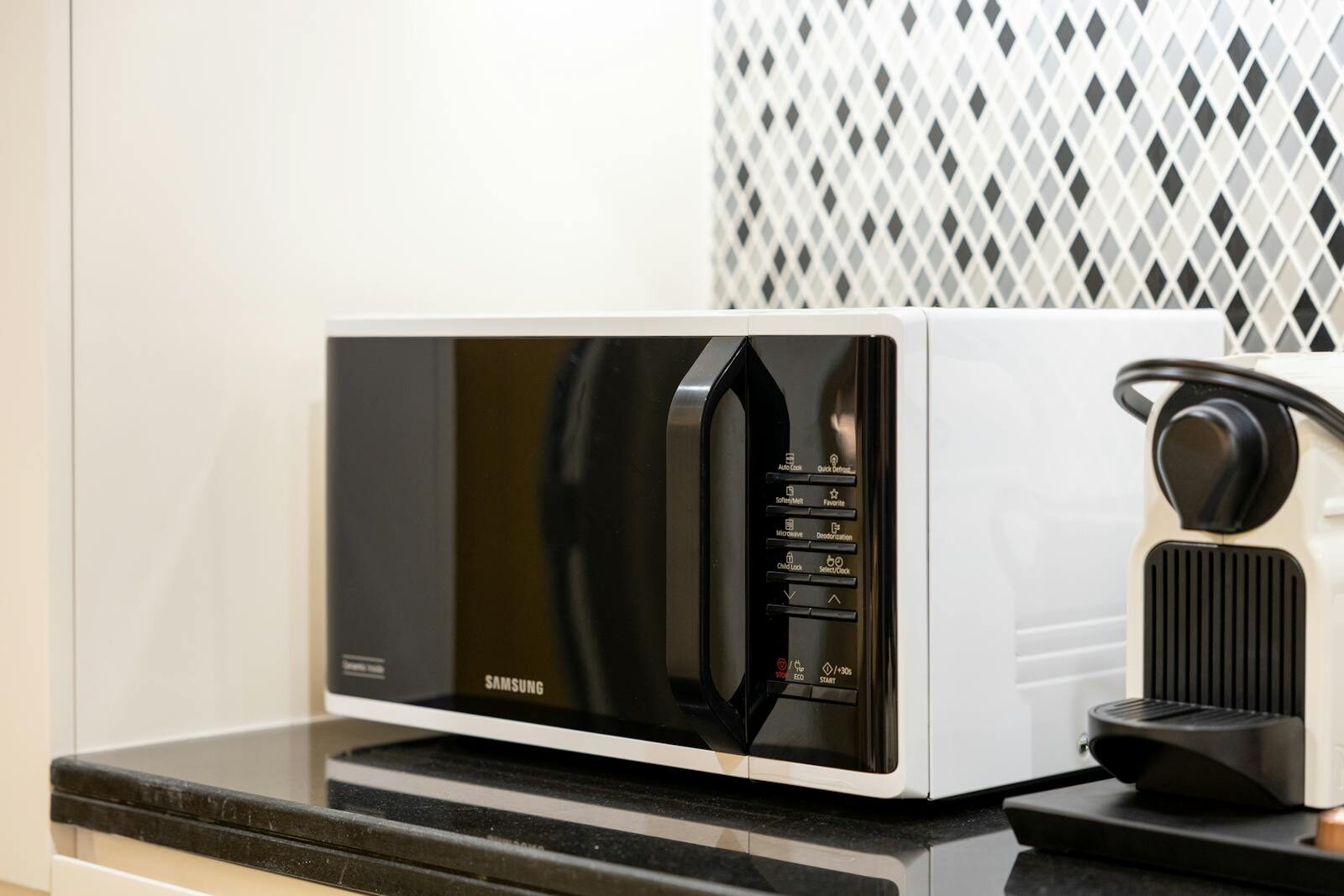
In the 1940s, engineer Percy Spencer was testing a magnetron, a device that generates microwaves for radar systems, when he noticed a chocolate bar in his pocket had melted. Intrigued, he placed popcorn kernels and then an egg near the magnetron and watched them pop and explode. From there he and his team built a metal box that could safely contain microwaves and cook food from the inside out. Accounts of U.S. inventions born point to Spencer’s curiosity as the turning point that transformed a military component into a kitchen staple.
Why it matters
Today you probably reheat leftovers, steam vegetables, or warm coffee in a microwave without thinking about radar or magnetrons. The first commercial models were bulky and expensive, but as designs shrank and prices fell, the microwave oven reshaped how you plan meals, design kitchens, and even package food. Entire product lines, from microwave popcorn to ready meals in specific containers, exist because Spencer paid attention to a melted snack instead of dismissing it.
What to watch next
Engineers are now experimenting with smarter microwave controls that sense moisture and temperature to avoid overcooking. You are also seeing research into industrial microwave processing that could dry lumber, cure composites, or sterilize medical equipment more efficiently than traditional heat. As connected appliances spread, your microwave may soon coordinate with other devices, adjusting power and timing automatically based on what you place inside.
4. Post-it Notes: Failed superglue that stuck just enough
What happened
In the late 1960s, chemist Spencer Silver at 3M tried to create a strong adhesive for aerospace uses. Instead he produced a low tack, pressure sensitive glue made of tiny acrylic spheres that would stick lightly to surfaces and peel away cleanly. For years he promoted it internally without a clear application. Then colleague Art Fry, frustrated with bookmarks that slipped from his church hymnal, used the adhesive on paper slips so they would cling to pages without damage. That insight turned a failed glue into the sticky notes you keep on your desk, a classic example in lists of accidental discoveries that generated huge commercial value.
Why it matters
Post-it Notes changed how you capture and share quick thoughts. Instead of scribbling in notebooks or marking pages with scraps, you gained a movable, disposable note that could travel from a monitor to a fridge door to a colleague’s folder. The same adhesive concept now appears in flags, labels, and wall safe hooks. Silver’s “failed” invention became a platform for a family of products that quietly organize your work and home life.
What to watch next
As you shift to digital tools, sticky notes are evolving too. You now see hybrid systems where physical notes carry QR codes or printed tags that sync with apps, and companies are experimenting with reusable boards that mimic the feel of paper notes but wipe clean. The underlying lesson stays the same for your own projects: a material that does not meet its original spec might still unlock value in an entirely different setting.