
4 Tiny Scientific Details Most People Never Notice
You move through your day surrounded by tiny scientific quirks that quietly shape how you feel, what you notice, and even how your body protects itself. Most of the time you never see them at work. Once you start spotting these hidden details, though, everyday life begins to look a lot more like a live experiment than a routine.
Below are four small, easily overlooked facts about your body and brain that carry much bigger consequences than they first appear to, along with why they matter and what you can watch for next.
1. Your brain’s 1.5‑second window for noticing the world
As you walk down a street or scroll through your phone, your eyes soak in far more information than you consciously realize. Research on visual awareness shows that if you do not register something within roughly 1.5 seconds, you may never consciously see it at all, even if your eyes technically captured it. That narrow window quietly decides which details reach your awareness and which vanish.
Scientists have tested how quickly you need to attend to a change before it disappears from your conscious experience. In experiments, people looked at scenes where subtle changes appeared. If they did not focus on the change within about 1.5 seconds, they often missed it completely, a phenomenon sometimes called change blindness. Your brain essentially edits the world down to a highlight reel, and anything that does not make the cut in time gets discarded.
This matters because it shapes how you interpret everything from traffic to social cues. When you drive, that 1.5‑second limit can be the difference between spotting a cyclist and never realizing they were there. In a crowded meeting, you might misread a colleague’s reaction simply because your attention was locked on a slide. You feel as if you see the whole scene, yet your awareness is stitched together from the fragments you happened to catch in that tiny window. Experiments described in visual awareness research highlight how easily your brain can miss even obvious changes.
To work with that limit, treat your attention like a scarce resource. When safety or nuance matters, such as crossing a busy intersection or reading a contract, give yourself a beat to scan slowly instead of trusting your first glance. You might also notice how often your phone or notifications steal that 1.5‑second window, pulling your awareness away from details that actually matter to you.
2. The people who never seem to catch COVID‑19
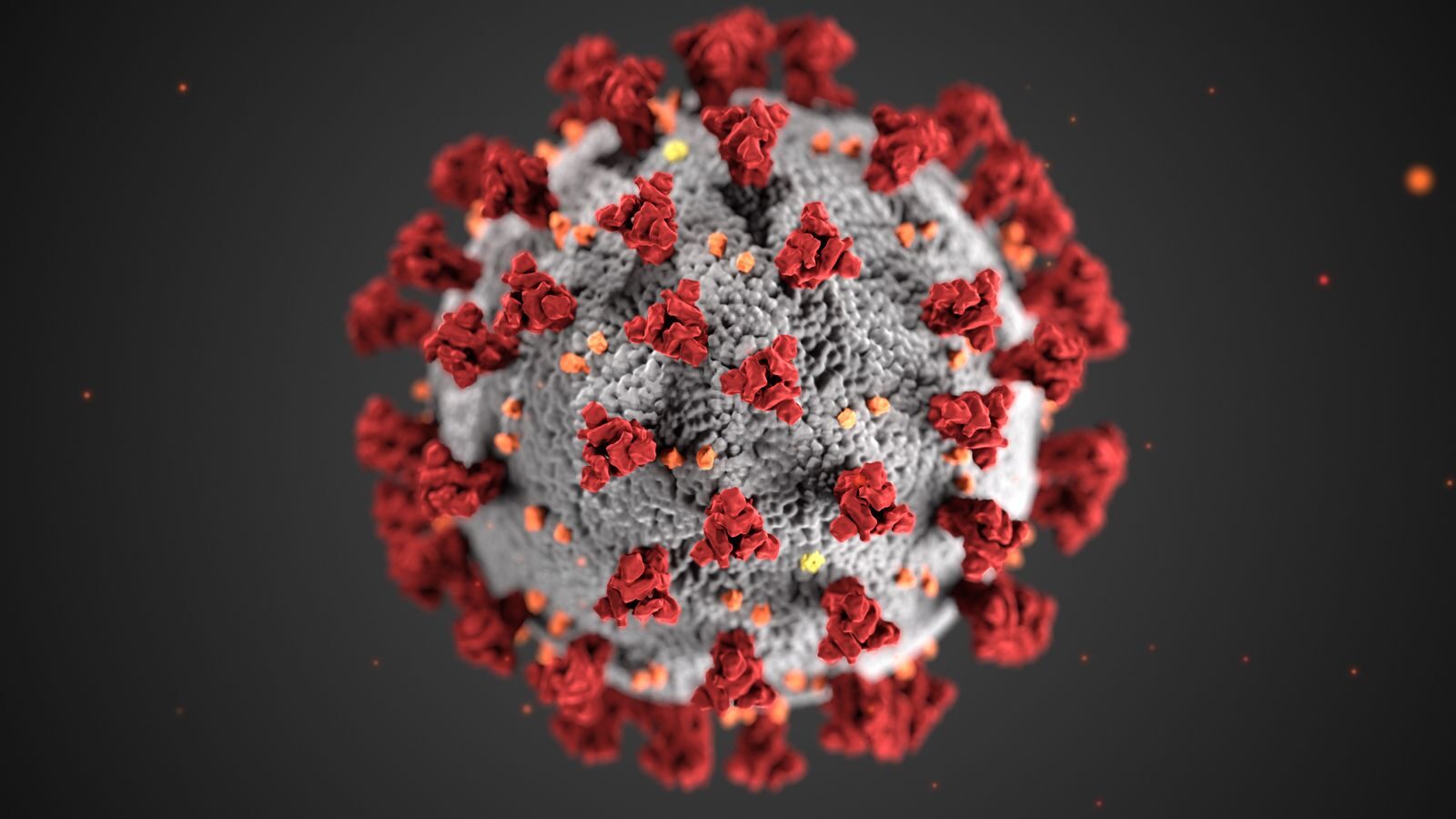
By now you probably know someone who swears they have never had COVID‑19, despite exposures, office outbreaks, and family cases. That pattern is not just anecdotal. Researchers are actively studying people who have avoided infection to understand what sets their immune systems apart.
Scientists at Boston University and collaborating institutions recruited volunteers who have no documented COVID‑19 infection despite repeated exposure. These participants include healthcare workers and household contacts who, on paper, should have been at high risk. By analyzing their immune responses and genetic markers, teams hope to identify biological traits that might explain why some people appear unusually resistant. Early work described in studies of COVID‑naive focuses on how their T cells, antibodies, and past infections with other coronaviruses might offer protection.
The findings matter for you even if you have had COVID‑19 multiple times. If scientists can pinpoint specific immune features or genetic variants that keep these people protected, that knowledge could guide future vaccines or treatments. Instead of only reacting to severe disease, public health strategies could aim to mimic the protective patterns seen in these unusually resistant individuals. It also reframes how you think about risk. Exposure does not guarantee infection, and your immune history, from childhood colds to prior vaccines, may quietly influence how your body responds.
For now, you can pay attention to how research on long‑term immunity evolves. If you are one of the people who has never tested positive, consider that your experience might be scientifically interesting rather than just lucky. Some studies invite volunteers with detailed testing histories, so keeping good records of your past tests and vaccinations can make you a more valuable participant if you ever choose to enroll.
3. The rare bodies that barely sweat
At the gym or on a summer run, you might notice that some people finish drenched while others look almost untouched. You may even know someone who insists they never sweat, no matter how hard they work. That is not always bravado. A small number of people genuinely produce very little sweat, and in some cases that can signal a medical problem.
Clinicians have documented conditions like hypohidrosis and anhidrosis, where sweat glands do not function normally. People with these conditions can exercise without the usual damp clothes or flushed skin. On the surface, that might sound appealing. In reality, sweating is your body’s main cooling system. When you cannot sweat enough, your risk of overheating climbs quickly, especially in hot or humid weather. Reports on people who barely describe individuals who struggle with dizziness, heat exhaustion, or even heatstroke because their bodies cannot release heat effectively.
This matters because you often judge effort or risk by how sweaty you feel. If you are one of the people who stays dry, you might assume you are fine while your core temperature quietly climbs. Even if you sweat normally, you may misinterpret someone else’s dry appearance as a sign they are coping well. In reality, they could be closer to heat illness than you are. Medications, skin conditions, and nerve disorders can all interfere with sweat glands, so a change in your usual pattern can be a clue worth sharing with a clinician.
To stay safer, watch for symptoms rather than relying only on sweat. If you or a workout partner feels lightheaded, nauseated, or confused in the heat, treat that as serious regardless of how sweaty anyone looks. Hydration, rest breaks, and shade are simple tools, but for people with low sweating capacity, they can be essential safeguards.
4. Grief that physically reshapes your brain
When you lose someone close to you, you feel the emotional shock immediately. Less visible is the way persistent grief can alter the structure and function of your brain. For some people, that change becomes so entrenched that it forms a distinct condition called prolonged grief disorder.
Brain imaging studies have compared people with prolonged grief disorder to those who experienced loss but gradually adapted. Researchers found that in prolonged grief, regions linked to reward, memory, and emotion regulation behave differently. Circuits that usually help you update your sense of reality, such as accepting that a person is gone, seem to stay locked in a loop that keeps the loss feeling immediate. Reports on brain changes in describe altered activity in areas like the nucleus accumbens and prefrontal cortex, which can keep yearning and pain unusually intense.
This matters because you might assume grief is purely emotional or a matter of willpower. If you or someone you love still feels stuck in overwhelming mourning long after a loss, that does not mean weakness. It can reflect measurable changes in brain networks that struggle to adapt. Recognizing that reality can reduce shame and encourage you to seek help, just as you would for any other health condition. It also shifts how you support others. Instead of expecting them to “move on” on a fixed timeline, you can understand that their brain may need targeted support to rewire.
Going forward, you can watch for signs that grief is not easing at all over time, such as persistent inability to function, intense longing that dominates your days, or avoidance of reminders that never softens. Therapies that combine talk approaches with practices like mindfulness or medication can help nudge those brain circuits toward healthier patterns. If you see yourself in those descriptions, raising the topic with a mental health professional is a practical step, not a personal failure.